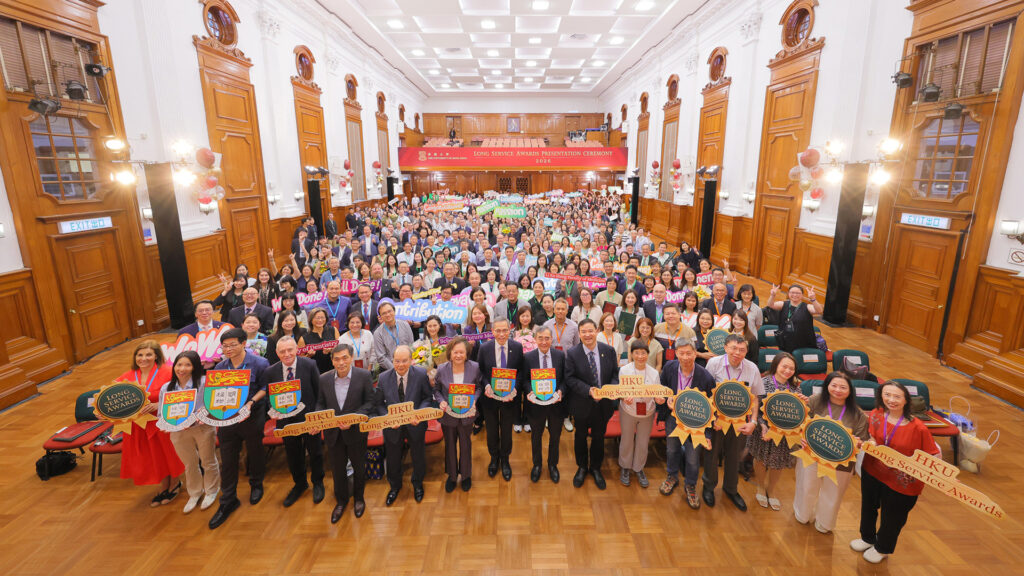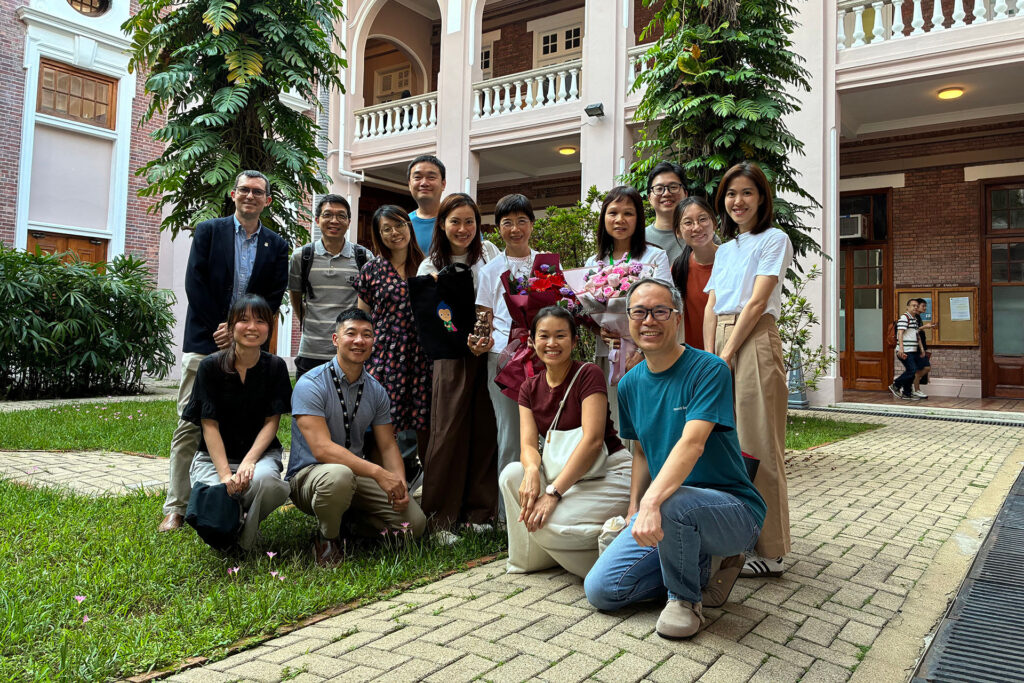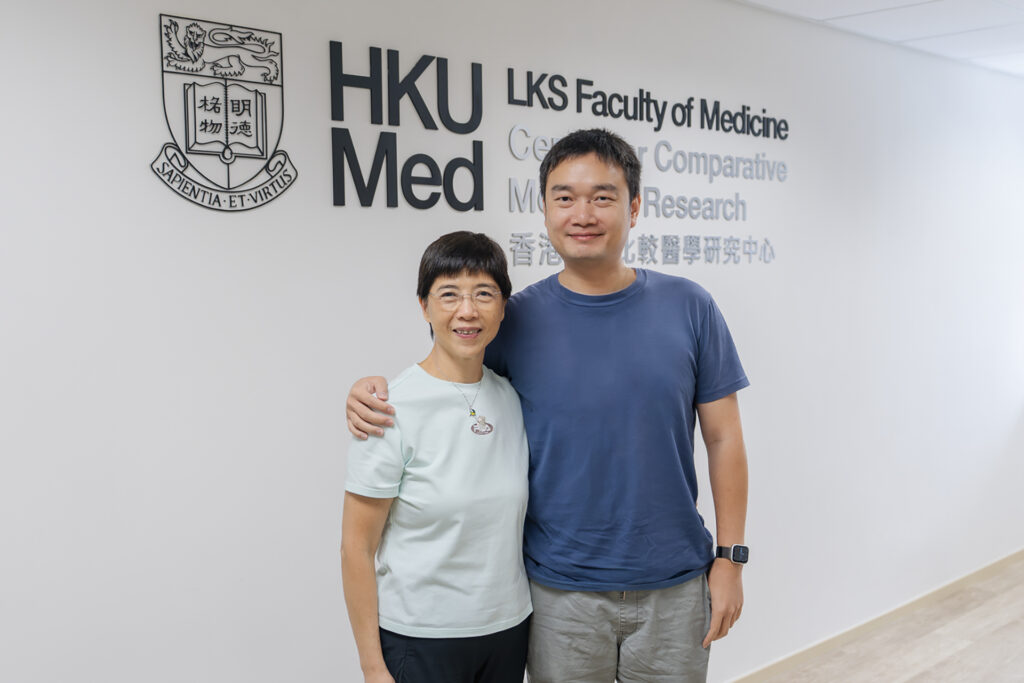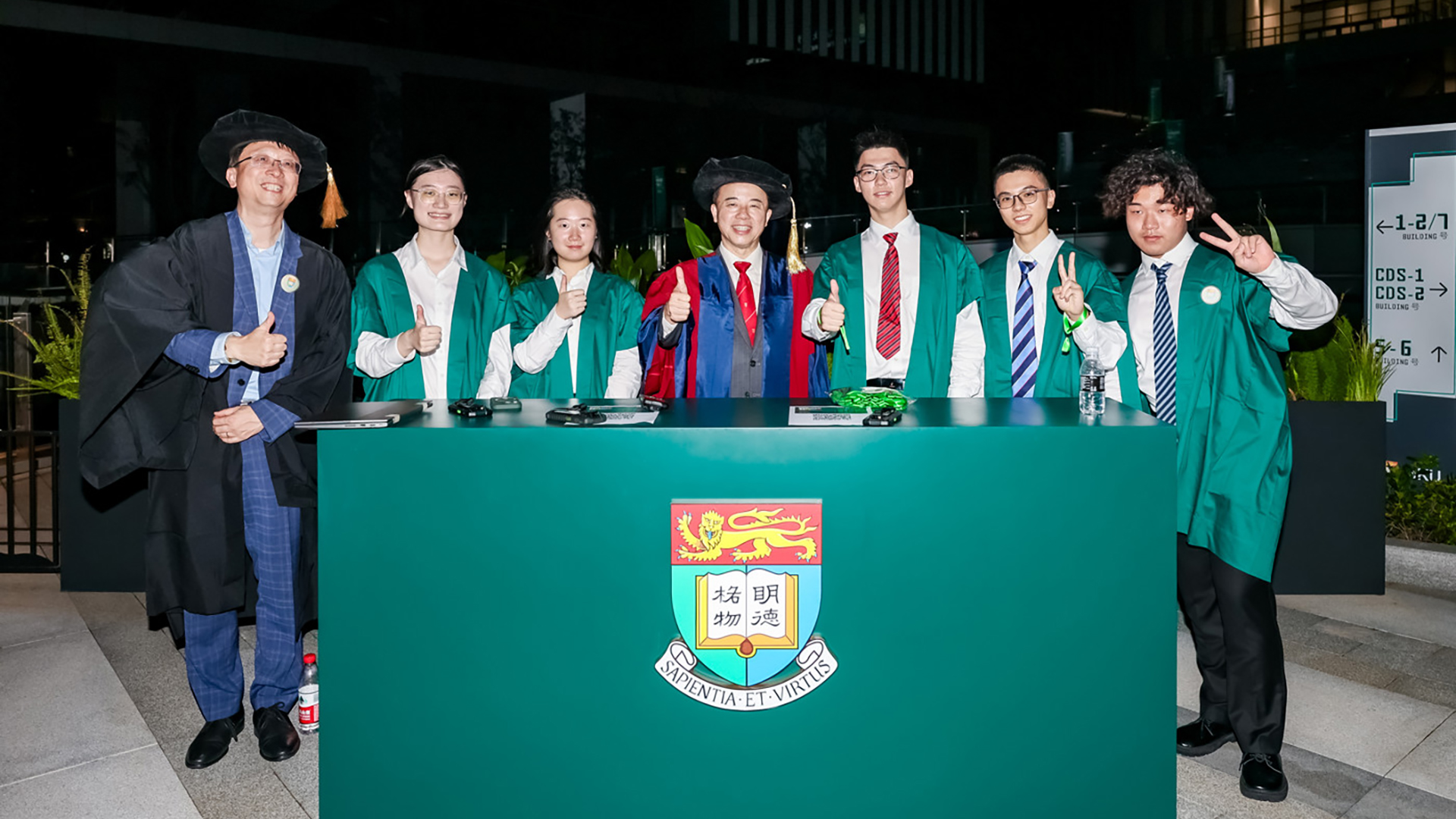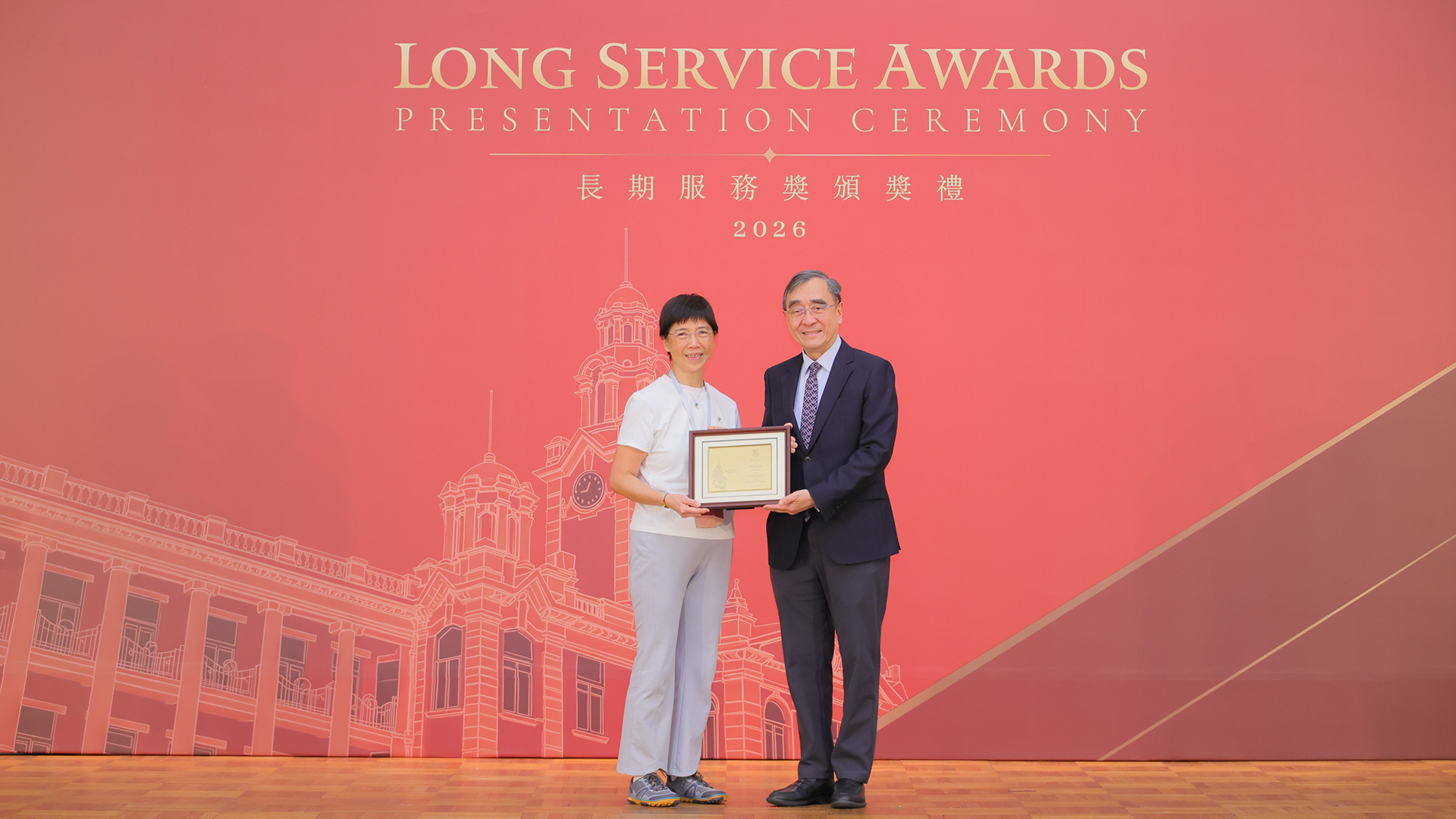
HKU has honoured 208 loyal staff members in the 2026 Long Service Awards Presentation Ceremony. Among the awardees was Ms Annie Lam, for her 45 years of dedicated service. Her work has required the consistent application of her specialised skills, knowledge, and judgement, but very few have any idea what she has accomplished.
Very few humans, that is.
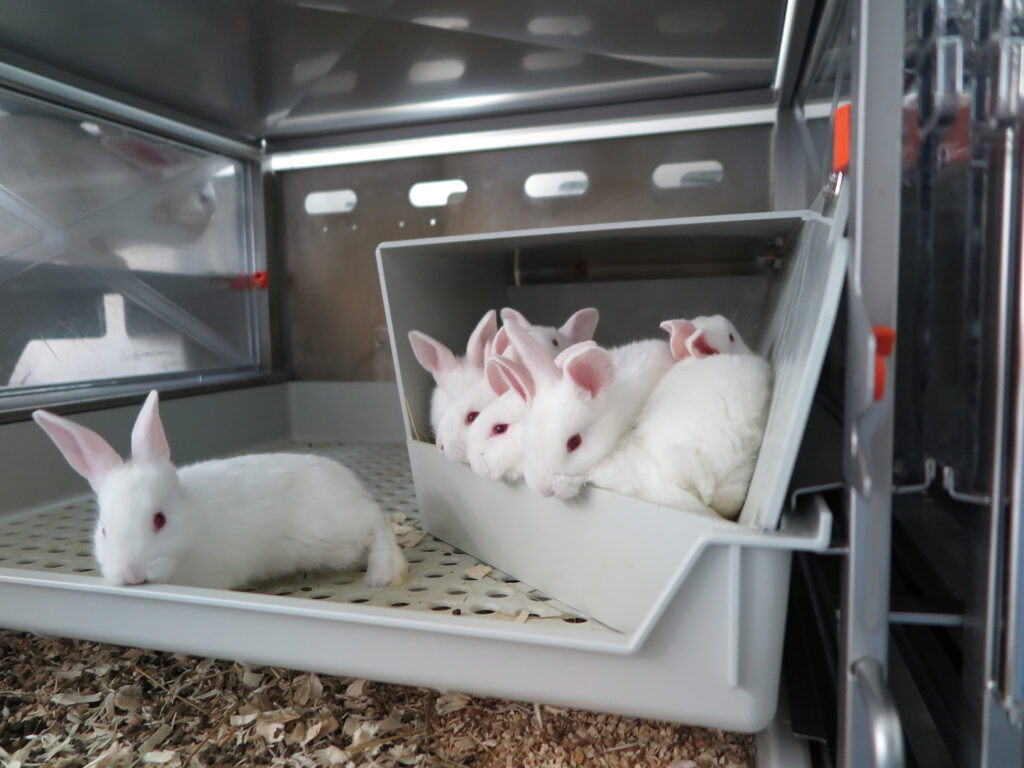
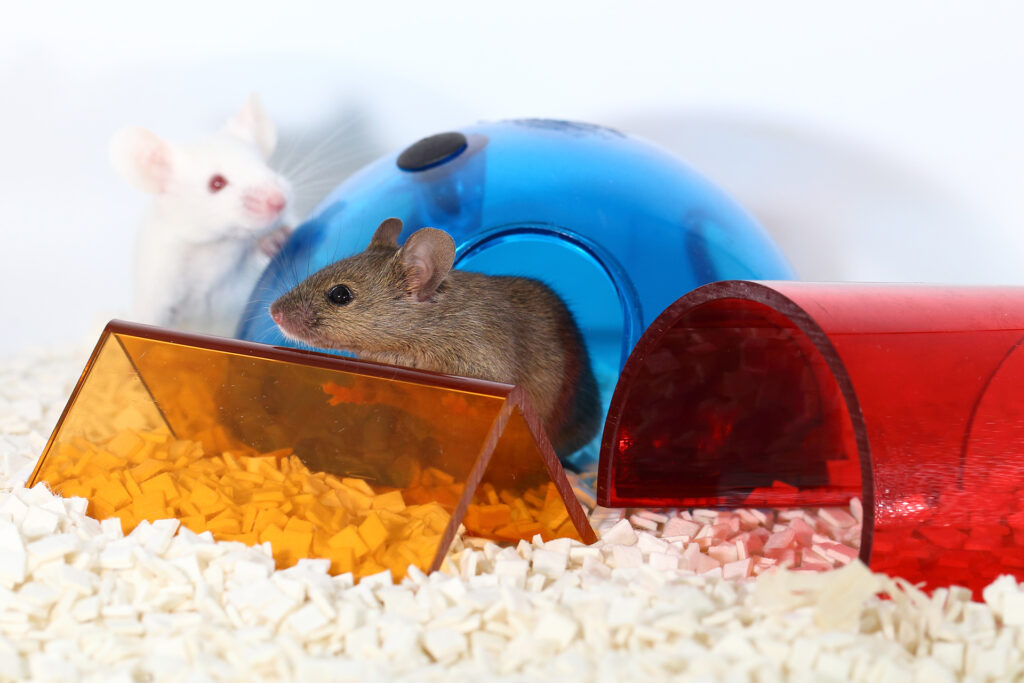
But many rabbits, mice, guinea pigs, fish, and even goats would know! For Annie is one of the devoted and steadfast animal care professionals at the Centre for Comparative Medicine Research (formerly known as the Laboratory Animal Unit, or LAU); a Senior Technical Officer with the Centre who has taken care of countless generations of them.
Today, the Centre is renowned and respected as a leader in laboratory animal medicine in the Asia-Pacific region, and the largest and most advanced research animal facility in Hong Kong. With about 130 animal care professionals, including veterinarians, scientists, medical laboratory technologists, laboratory animal technologists and trained animal care staff, the Centre is dedicated to promoting the humane care and responsible use of laboratory animals in the University, working closely with scientists to achieve their high-impact research goals.
But when Annie joined the LAU in 1981, two years after it was first established, there were just over 20 staff altogether, working primarily in two core zones: the Specific Pathogen Free Breeding Area, which was the home for wild-type species, and the Minimal Disease Area, where Annie worked.
It was not that easy to get a stable job in the 1980s. She had studied science in secondary school, and heard through her elder sister, who had just started working at the LAU, that they were recruiting new staff. After the interview by the then Head of the Unit, Dr Graham John Moore, Annie got the job as Animal House Attendant. “I guess I was what they were looking for,” she says modestly.
At the time, she and the other attendants in the team had been responsible for caring for the animals, in its broadest sense – including their daily feeding, cleaning their living areas, doing health checks, and generally ensuring the animals were living in an optimal environment. As she went up the ranks, Annie was also assigned administrative duties that carried greater responsibility, such as manpower arrangements, and communicating and coordinating with different units.
“As you know, certain trials and surgical experiments are conducted on animals before they are tried on humans,” she says. “This was around 1982–83 and I remember this was when outside academics and researchers would come to perform these operations.” Apart from assisting with the breeding of animals, Annie was also assigned to help professors in pre-surgery operating room set-ups.
Speaking of operations, the robust hygiene protocols left a deep impression on her. “Already in those days, one had to completely shower down before entering certain areas,” she chuckles. It wasn’t until later when different protocols were created for different zones that such blanket practices were phased out.
Over the years, Annie’s supervisors obviously recognised her potential, as they provided her with several career development opportunities. The first one saw her heading off to the then Hong Kong Polytechnic for evening classes three or four nights a week, for two years, in pursuit of a Certificate of Animal Technology.
“Classes were 6:30–9:30pm. Actually, it really was tough, now that I think about it!” she recalls, laughing. “Of course, this was before we could use the MTR. So our working day ended at 5pm, and I would first have to take a minibus or bus from the Medical Campus to Central, get on the Star Ferry to Hung Hom, and then sprint to the Polytechnic canteen to grab supper – and all within an hour and a half!”
“We were always in a rush, but those were good times. At least, we had the chance to learn something. And as you know, this subject area is very niche, with not many courses on offer. Looking back, I feel it was worth it.”
Later, at the then Chai Wan Technical Institute, she took a two-year, part-time programme that would earn her a Certificate for Laboratory Technicians. Recognising that Annie was performing laboratory tasks and would benefit from the training, she was granted time off from regular duties on the day of her full-day classes.
As well as the training in lab skills, there were other science subjects included in the syllabus, and in addition to the full day of class there were also two evening sessions a week, so again, she was very busy. “But I was young then, and had more energy!” she says, adding that what she learned helped her in her subsequent work.
She remains grateful to the University for believing in her and supporting her studies. “We often hear the saying: ‘knowledge can change your destiny’; this was certainly true for that era. If you had the will to study and work hard, there would be opportunities for you.”
Although Annie has always liked animals, in the early years, staff working in breeding areas were generally discouraged from keeping pets because of the stringent biosecurity requirements in place at the time. With the introduction of Individually Ventilated Cage systems and continued enhancements in biosecurity measures in recent years, these arrangements have gradually been relaxed.
And the animals they kept at the Centre were very different then, including rats, mice, rabbits, and chickens. There was even a time when they used to import eggs, incubate and hatch them for hens, wait for them to lay eggs, and then use those eggs for experiments. Annie explains that there used to be two rooms for this, and the chickens were huge. “It could be terrifying because the chickens could be enormous, especially the roosters. Their claws were sharp and scary!” she says.
And what was the point of keeping pigs? Perhaps it’s not widely known, but some of the internal organs of pigs are similar in size to those of humans. “If you go to the wet market, you’ll see that a pig’s lungs and heart are more or less the size of a human’s,” she says, smiling.
While the Centre has supported research involving a wide range of animals, over time, advances in genetic engineering have expanded beyond mice to other species, including hamsters, and research needs have driven a gradual shift from predominantly wild-type animals to the increasing use of genetically modified animal models.
After Dr Moore’s departure, Dr Lo King-shun took over as Head, bringing a sense of energy and ambitiousness. Indeed, it was under Dr Lo’s leadership that the whole Centre began working towards the goal of winning global recognition for excellence in their practice. “I recall Dr Lo emphasising that only through accreditation could we truly establish ourselves on the international stage and be recognised as a reputable organisation,” she says, adding, “But achieving accreditation demanded substantial reforms and improvements to meet the required standards.” Over the next few years, she and her colleagues worked tirelessly and collaboratively to fulfil the accreditation requirements.
When they were awarded AAALAC international accreditation in 2005 – the first achievement of its kind in Hong Kong and in China – naturally, the entire department was elated. “The then Vice-Chancellor, Professor Lap-Chee Tsui, even sent us a congratulatory letter!” Annie recalls with delight.
Even today, the Centre’s daily operations, under the leadership of Dr Dewi Rowlands, continue to be guided by AAALAC standards. “Currently, the Centre serves researchers not only in medicine but also in dentistry, engineering, science and social sciences,” says Dr Rowlands, while also noting, “There’s a certain mystique about what we do. It’s important for us to be open and transparent, so that people can understand that we care for the well-being of our animals.” Annie concurs: “Ensuring the humane treatment of animals and their well-being supports high-quality research as well.”
The Centre supports quality research based on the 5R principles – replacement, reduction, refinement, respect, and responsibility – and provides training and guidelines for all new users of its facilities. Protocols for all teaching and research experiments using live animals at the Centre need to be first approved by the University’s Committee on the Use of Live Animals in Teaching and Research (CULATR), which was established in 1980 to advise teaching and research staff on matters concerning animal experimentation and currently includes a co-opted member from the Society for the Prevention of Cruelty to Animals.
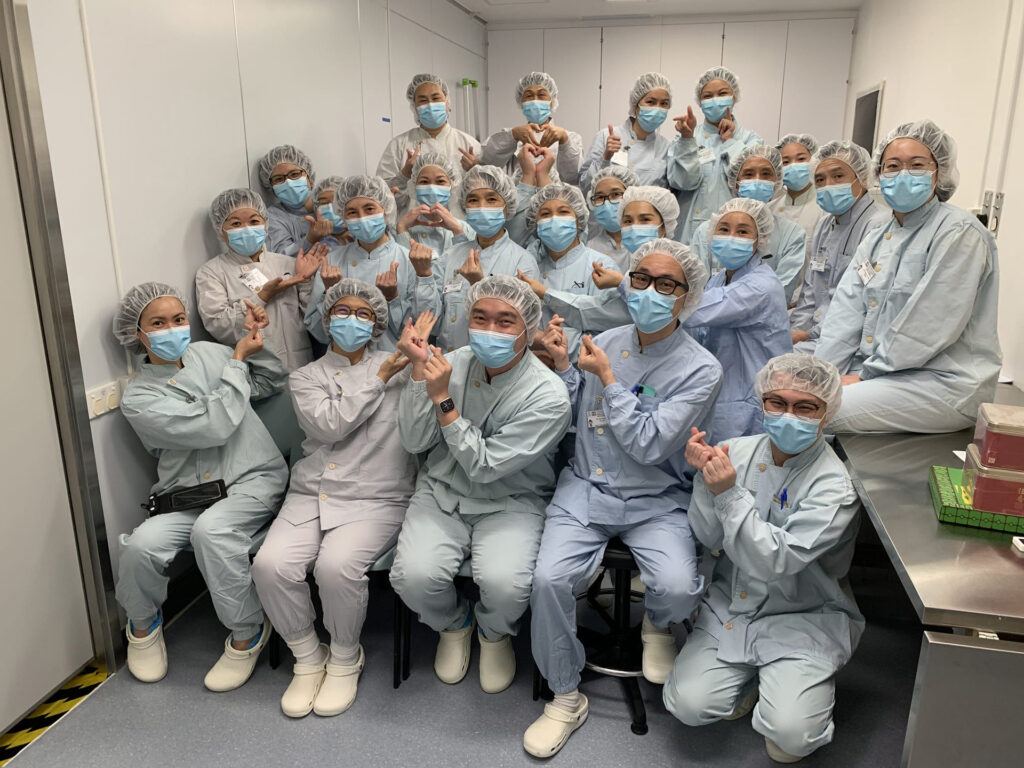
In addition to round-the-clock operational care at the Centre – the animals receive filtered water, all incoming fresh air is HEPA-filtered, and the room temperature maintained according to the needs of each species – there is also the constant, sensitive monitoring that only an actual professional can provide.
This posed a considerable challenge during the COVID-19 outbreak, when colleagues had to be split into teams and work in long shifts. But Annie feels that it was worth it to keep the animals well cared for. Her motivation is simple, and she often shares this with students visiting the Centre for training: “We can feel pain, we can feel scared, and so can the animals.”
Mr John Lam, Technical Manager of the Minimal Disease Area and the Specific Pathogen Free Breeding Area, is Annie’s direct supervisor and is fulsome in his praise of her dedication and professionalism. He has worked with her since 2010, when he joined the then Laboratory Animal Unit as a Technical Officer under her supervision. In 2018, upon his promotion to lead the Minimal Disease Area as a regional supervisor, he collaborated closely with Annie to expand the team, implement reforms, and enhance services related to animal breeding management.
“Over the 16 years I’ve known Annie, I’ve witnessed her excellence across multiple fields and her unwavering commitment to her work, especially her dedication to animal welfare in this industry,” John says, noting that her tireless efforts and the training she provided have made a significant, visible impact. “I wish Annie a fulfilling retirement and good health always,” he says. “I hope she comes back to visit us often; she will always be welcome here!”
Across the road from the Centre, standing next to the Jockey Club Building for Interdisciplinary Research, a fine plumeria tree stands tall, reaching sinuously towards the sky. “This used to be about my height when I first joined,” Annie says, pointing at it. “Now it’s a huge tree.” Likewise, she regards her 45 years at HKU as having been fruitful and fulfilling.
She has found the work meaningful in its contributions to research, and has been gratified by being regarded as part of the team by researchers and academics. “Some professors have even taken the time to come over and personally share their joy with us when their research achieves success,” she says, clearly touched by their sincerity and appreciation.
“While our role may only be a small part of the larger project, our contribution is nonetheless vital and meaningful. It’s been a worthwhile journey,” she says with a smile.