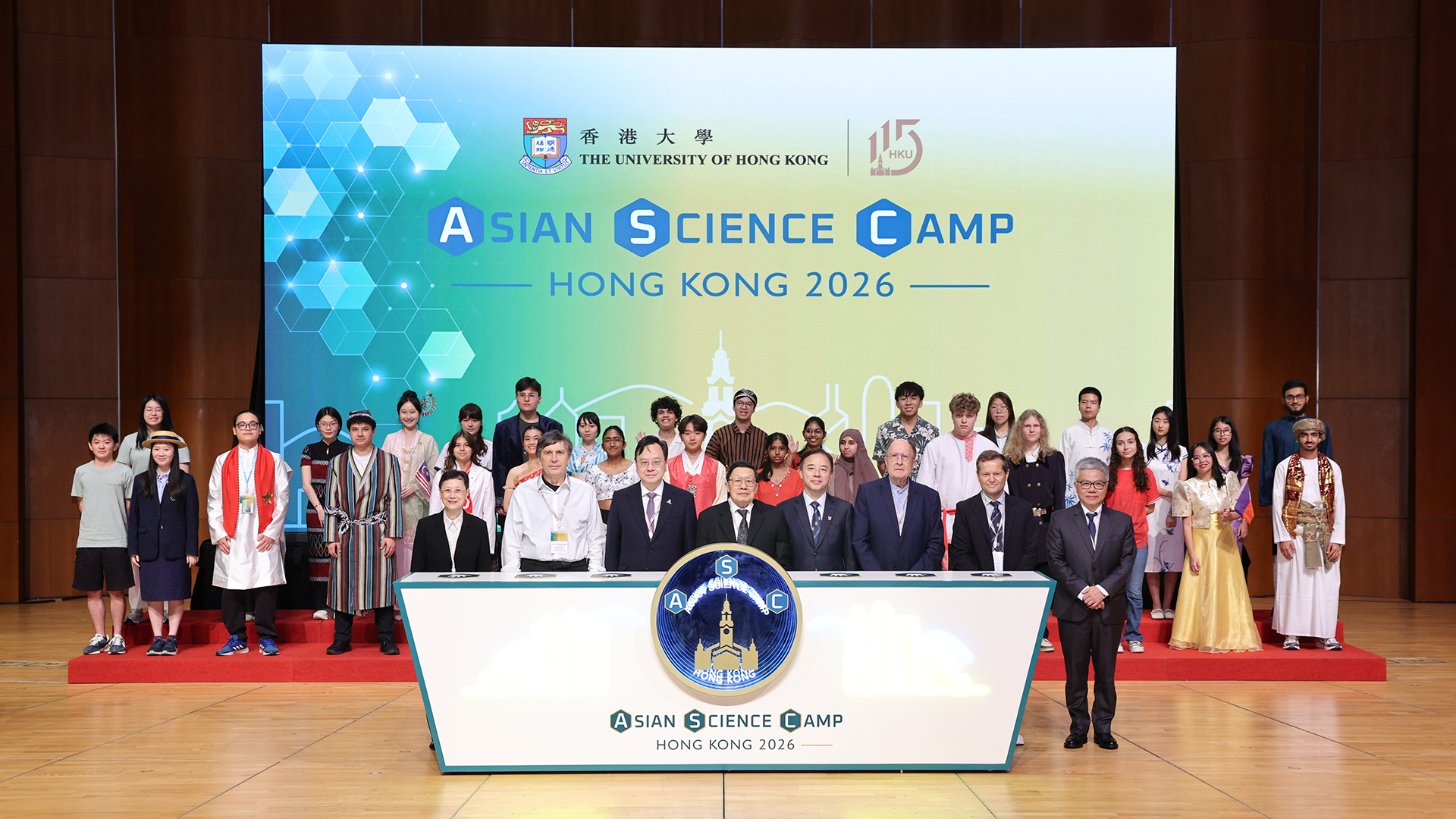
In early August, the University of Hong Kong became the epicentre of intellectual curiosity across Asia and beyond, as the prestigious week-long Asian Science Camp (ASC 2026) arrived in the Hong Kong Special Administrative Region for the first time. Over 300 pre-collegiate and undergraduate students from nearly 30 countries and regions gathered for an intensive week of plenary lectures, discussions, hands-on workshops, and small-group dialogues with Nobel Laureates and world-renowned researchers. But apart from the impressive titles and scientific agendas, the heart of ASC 2026 was defined by a profound human connection: the dynamic contrast between seasoned giants of modern science and bright, ambitious youths poised to become the scientific leaders of tomorrow.
The idea of the Asian Science Camp traces its roots back to 2005 at the Lindau Nobel Laureate Meeting in Germany, when Professor Yuan Tseh Lee, the 1986 Nobel Laureate in Chemistry, and the late Professor Masatoshi Koshiba, the 2002 Nobel Laureate in Physics, envisioned creating an annual forum within Asia where young minds could engage directly with global leaders in science, igniting curiosity, fostering cross-border collaboration, and promoting the betterment of science in the Asian region. Since its inception in 2007, the camp has travelled to various centres of learning in Asia. By hosting ASC 2026, HKU not only marked a historic milestone for Hong Kong but also reinforced the territory’s burgeoning role as an international hub for higher education, research, and innovation.
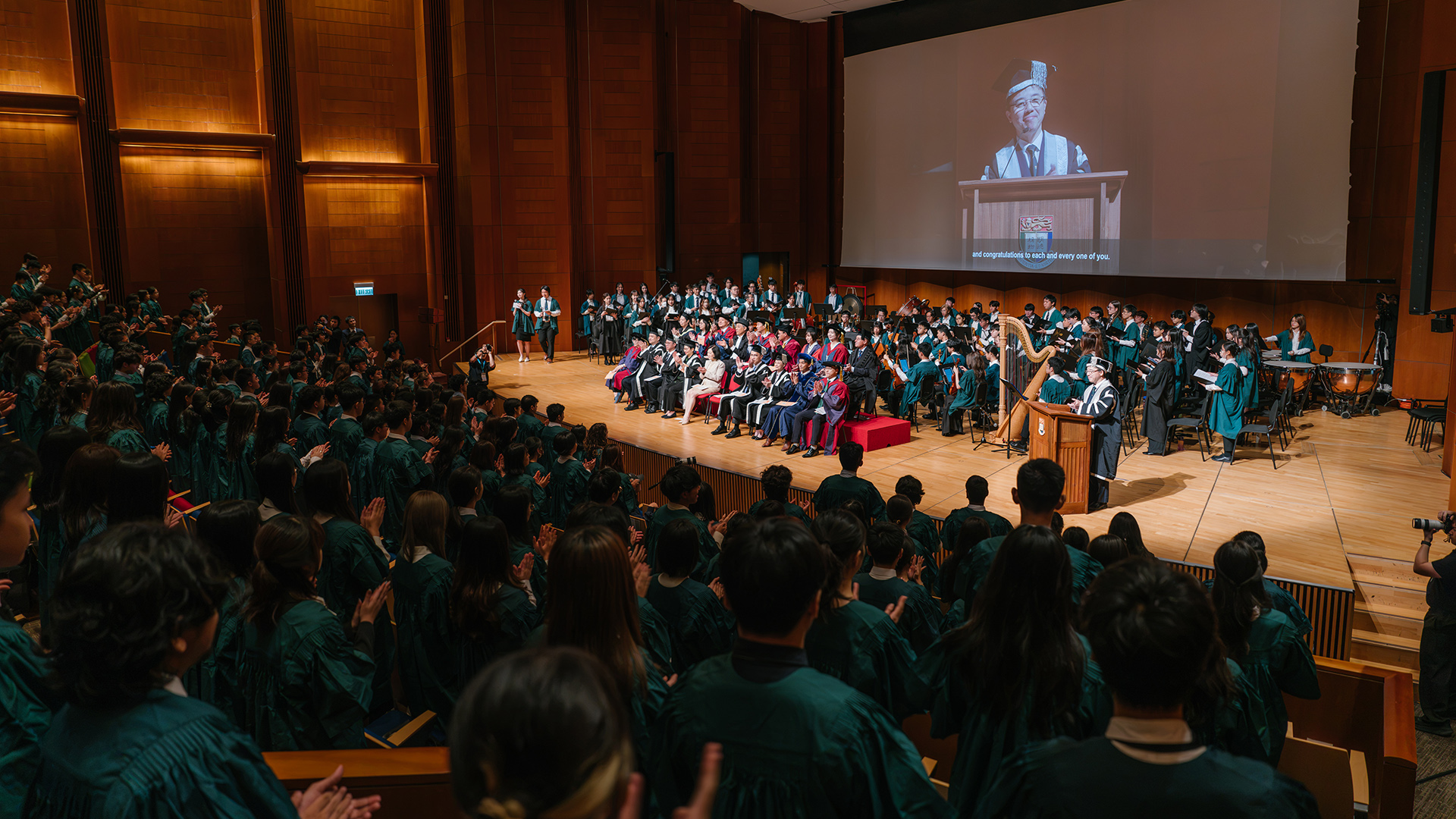
The atmosphere inside the Grand Hall of the Lee Shau Kee Lecture Centre was electric as the camp began. For the teenage and undergraduate delegates, seeing the architects of modern medicine, condensed matter physics, and supramolecular chemistry walking among them was both humbling and exhilarating, with some declaring: “It’s so fascinating to be able to hear and learn from world-class scientists!”
The roster of visiting and resident luminaries attending the camp represented the pinnacle of contemporary scientific achievement. Among the distinguished speakers were Professor Aaron Ciechanover (Nobel Prize in Chemistry 2004), Professor Sir Andre Geim (Nobel Prize in Physics 2010), Professor Ferenc Krausz (Nobel Prize in Physics 2023), Professor Sir Gregory Paul Winter (Nobel Prize in Chemistry 2018), Professor Dennis Lo Yuk-ming (Lasker~DeBakey Clinical Medical Research Award 2022), Professor Michael Häusser (The Feldberg Prize 2020), Professor Ngô Bảo Châu (Fields Medal 2010), and Professor Vivian Yam Wing-wah (L’Oréal-UNESCO Women in Science Awards 2011).
Officiating at the Opening Ceremony, HKU President and Vice-Chancellor Professor Xiang Zhang, himself an internationally recognised physicist, set an encouraging and empowering tone for the week. “We all say science has no borders. I hope this week, you’re not only here to learn in the lectures from our distinguished speakers, Nobel Laureates, Fields Medallist, but also to challenge yourselves, and build friendships amongst yourselves, because the future of science is upon you,” he declared.
He also urged the young attendees to view existing knowledge not as immutable doctrine, but as a foundation to be questioned and built upon. “Challenge your teachers and colleagues in the next 20 years, 30 years, because this is how science advances,” he said.
The Opening Ceremony was followed by a series of plenary lectures where the renowned scientists recounted their unconventional paths to breakthrough discoveries – such as the simple, serendipitous experiments that led to isolating graphene or the inventive methodologies that sparked the antibody revolution. The underlying lesson was clear: scientific triumph belongs to those willing to look at ordinary problems with playful curiosity, unyielding persistence, and an independent spirit.
What made ASC 2026 truly transformative was this dismantling of traditional hierarchies between mentor and mentee. Professor Jay Siegel, HKU Vice-President and Pro-Vice-Chancellor (Teaching and Learning), reminded the participants: “This is a fantastic opportunity not only for you to meet interesting scientists, but for the very best scientists in the world to appreciate how great you are, how great the next generation is.”
In addition, the poster presentation session provided a vital platform for students to showcase their ideas and the insights gained from the lectures. By presenting and engaging in exchanges with peers, mentors, and experts, students demonstrated creativity, scientific rigour, and the collaborative spirit that the Asian Science Camp embodies.
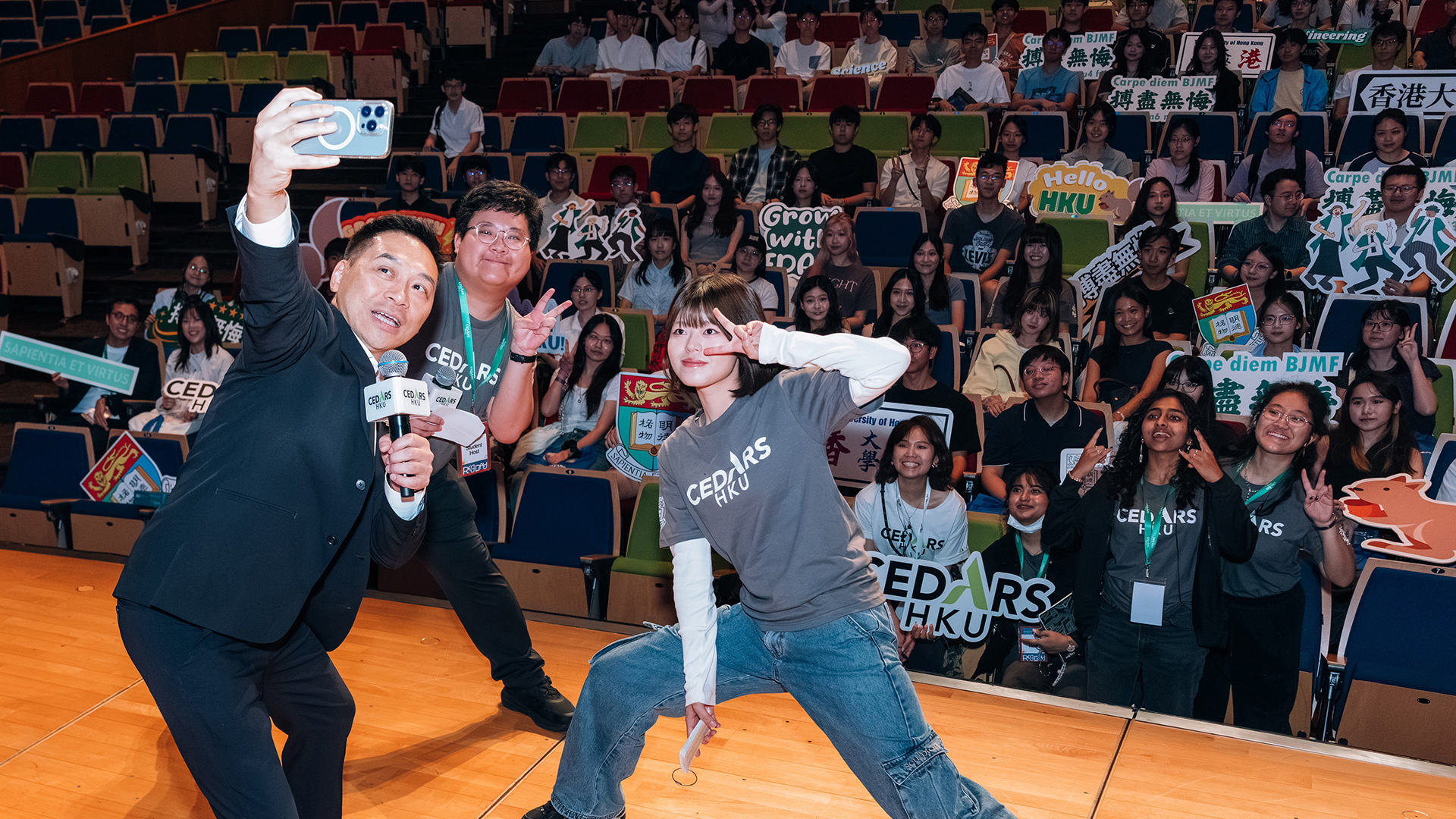
Beyond the lecture halls and laboratory discussions, ASC 2026 also served as a vibrant melting pot of international friendship. Sharing meals and exploring Hong Kong’s landmarks created an environment where geographic and cultural differences faded in the light of a shared passion for discovery. “We’re all connected by our curiosity for science. The moment I cherish most is the moment when we cooperated and worked together with international friends,” noted one student.
The camp drew to a close with the final poster presentations and Closing Ceremony. In this week-long programme, the global giants of science had imparted their hard-earned wisdom, but their greatest gift was instilling confidence in the next generation and inspiring them to work towards a goal that was greater than themselves. For the 300 young delegates, the Asian Science Camp 2026 was not merely a memory of meeting their heroes, but a defining moment when they realised they were the ones who would shape the future.