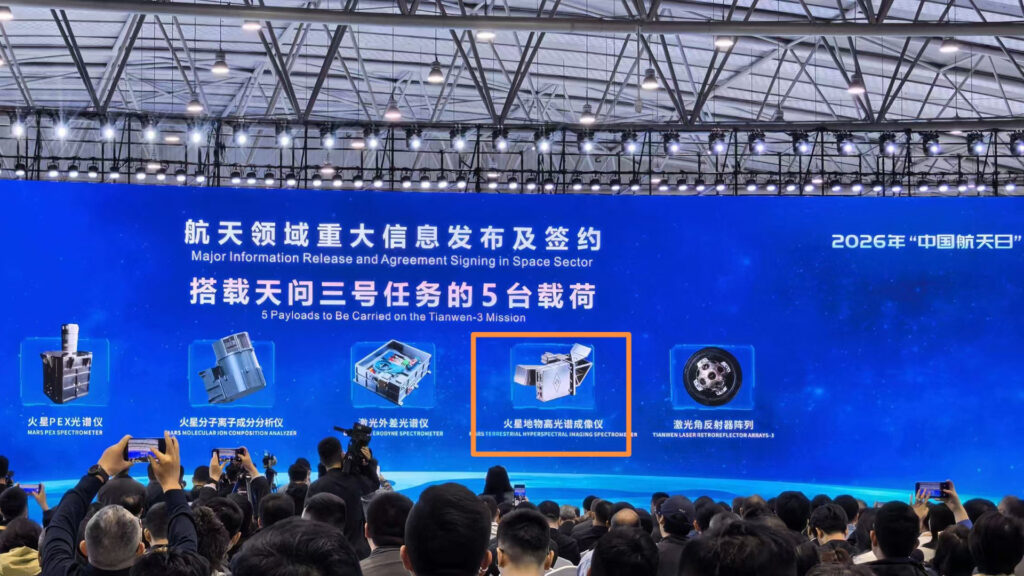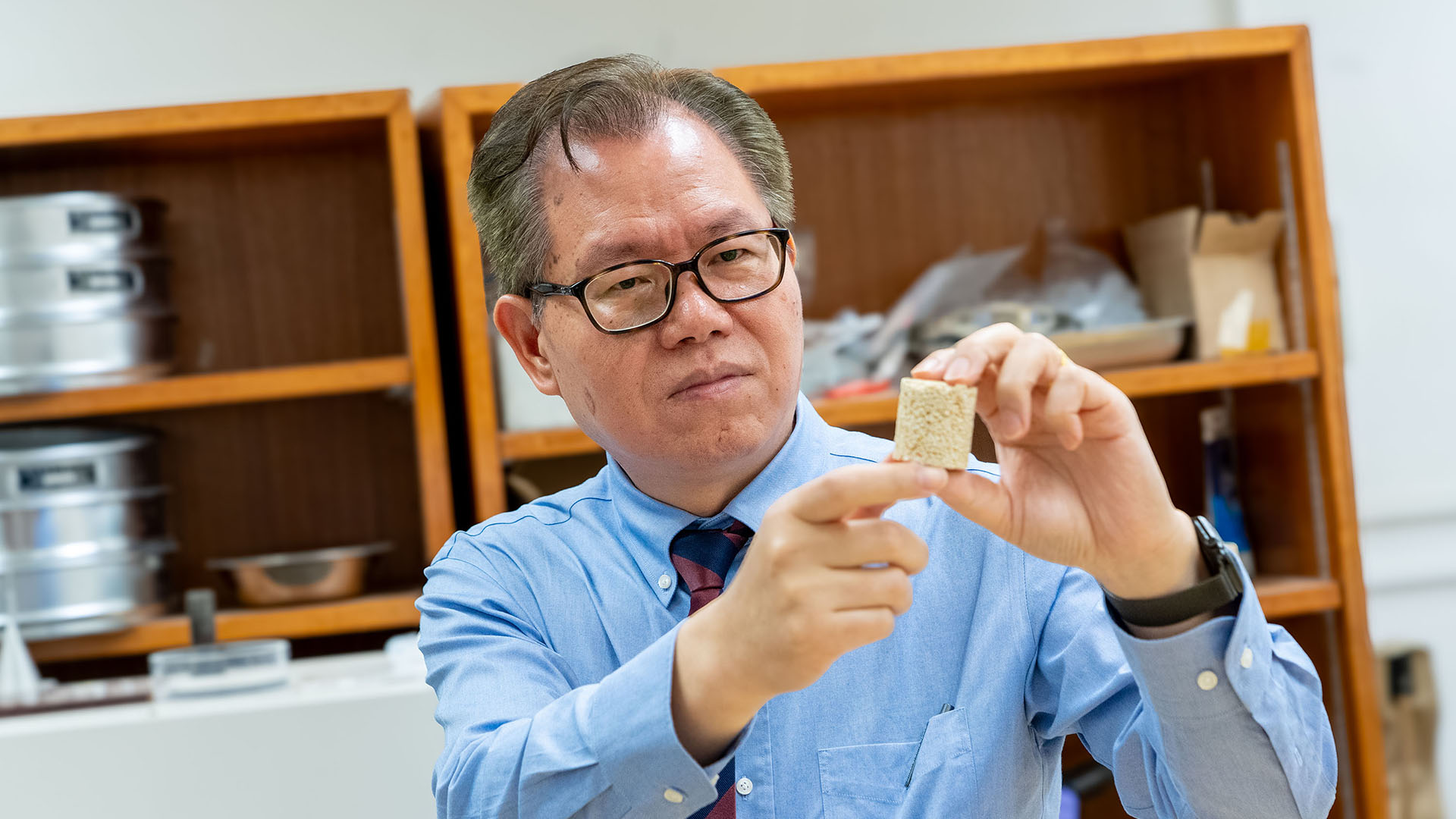
China’s Tianwen-3 Mars Sample Return Mission is set to embark on a fascinating journey into the origins of life. Aiming to search for signs of life on Mars and address fundamental scientific questions, the mission will navigate a lander onto the red planet and drill down for samples that, it is hoped, will reveal evidence of water or other signs of life that can then be taken back to Earth for study. A research team from HKU’s Department of Earth and Planetary Sciences led by astrobiologist Professor Yiliang Li will join the national effort on the mission.
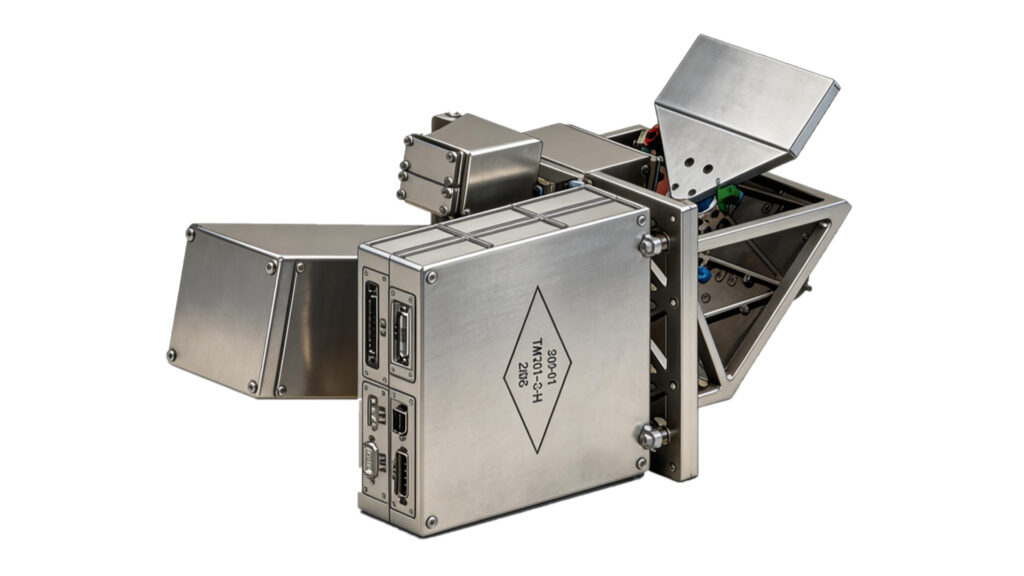
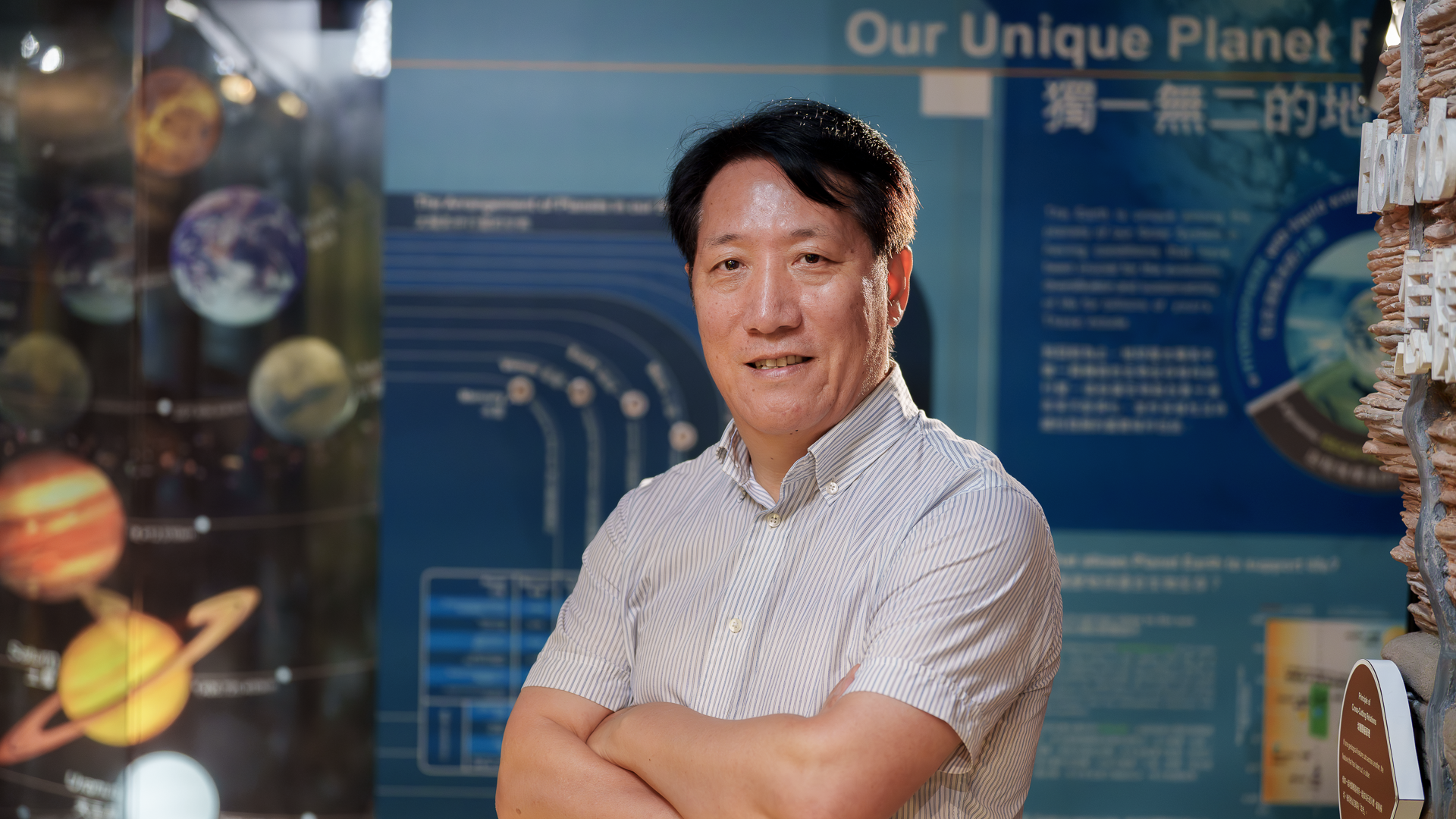
Professor Li is a core member of both the Landing Site Selection Team and the Mission Science Team of Tianwen-3 mission and is developing a major payload, the Short-Wavelength Infrared Spectrometer, for deployment on the service module of the Tianwen-3 mission for forecasting dust storms during landing manoeuvres, searching for biosignatures, detecting hydrous minerals, and surveying Martian resources.
The project led by Professor Li, with major collaborating institutions including Zhejiang University and the Chinese Academy of Sciences’ Changchun Institute of Optics, Fine Mechanics and Physics, is one of only five payloads selected for the mission from among international, Hong Kong and Macau submissions. On the other hand, Professor Quentin Parker, Director of HKU’s Laboratory for Space Research, is a member of the project team led by the Committee on Space Research in France developing a payload – Mars PEX Spectrometer – alongside Shenzhen University.
“The chief scientist of the mission has said that ours is one of the most important payloads on the orbit,” Professor Li said.
Weighing 4.98 kilogrammes, the spectrometer will perform three essential tasks to determine which Martian sites have the best weather and highest scientific value for landing.
The first task will be to monitor the development of dust storms that could interfere with the spacecraft’s landings. This work will begin when the spacecraft is within 1,000 kilometres of Mars’s surface and it will involve taking and analysing photos of different sites.
Second, the spectrometer will provide detailed, high-spatial-resolution mineralogical mapping of candidate landing sites to ascertain surface signs of water or biosignatures that may be present up to two metres below ground. This scientific information will also guide the final selection of the landing site, to ensure the drilling machine on board has the best chance of recovering useful samples.
The third task will be to conduct sustained observations of Mars’s low-altitude regions. To do this, the spectrometer will remain in orbit for at least five years after the Martian samples are returned to Earth.
Tianwen-3 is scheduled to launch in 2028, spend at least seven months travelling to Mars and stay in orbit for about nine months, before landing on Mars in 2030 to collect the samples. These samples will be transported to Earth in 2031. Extensive precautionary measures are being taken to prevent cross-contamination of biological agents or substances between Earth and Mars.
Professor Xiang Zhang, President and Vice-Chancellor of HKU, said it was a great honour for the University to participate in this mission. “The selection of our research project as a mission payload reflects the University’s deep-seated expertise in planetary science and deep-space exploration, while marking a significant contribution to the nation’s strategic advancement as a leading space power,” he said.
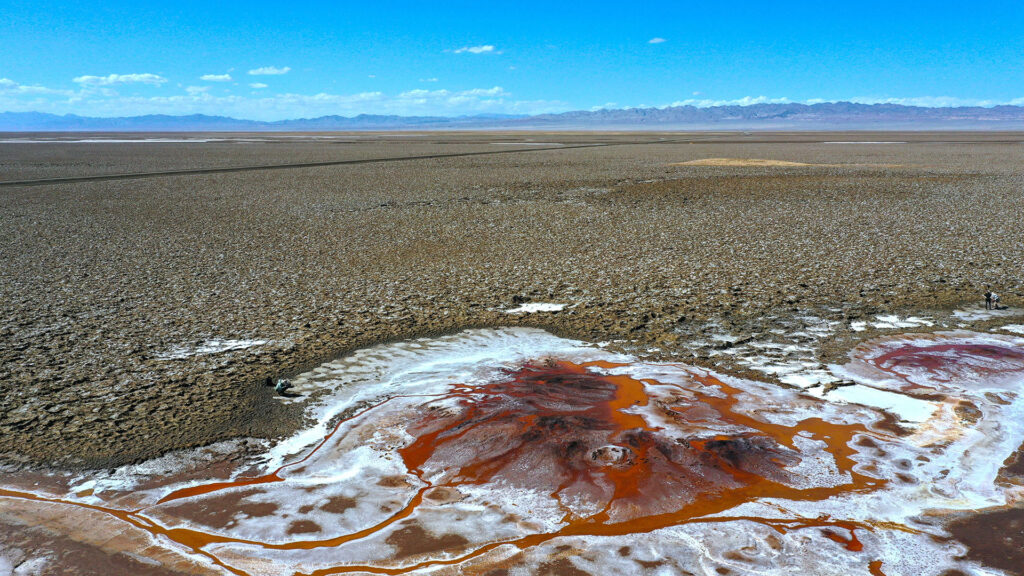
Professor Li is optimistic the mission will bear fruit, given his own long-term research of the Qaidam Basin in the Tibetan plateau, which has an extremely dry environment similar to Mars, with strong evaporation and a surface containing evaporite minerals. He is also heartened by recent evidence that water with high salinity can remain liquid at very low temperatures. “If there is still liquid in the subsurface of Mars, it could be circulating vertically and there is the possibility that bacterial masses and biogenic minerals may be brought to the surface,” he said.
The project is also of personal interest to Professor Li, who has maintained a deep and abiding interest in the origins of life in the universe. He joined HKU in 2007 when he was the only astrobiologist in Asia, and he has seen interest in the subject mushroom in recent years. His department recently recruited a number of planetary scientists and last summer it renamed itself from the Department of Earth Sciences to the Department of Earth and Planetary Sciences. It is now putting finishing touches to an undergraduate programme in planetary sciences to be launched in 2027.
Professor Li said he is also pleased to see growing interest in Hong Kong in the space economy. “The Government of the Hong Kong Special Administrative Region has the ambition to develop its aerospace industry, and this is very exciting for both the industry and for research. Many people in Hong Kong are also very interested in the science of space and our solar system. Our department will do our best to make us a leader in planetary science research,” he said.