“What if using AI means that our students stop using their brains?”
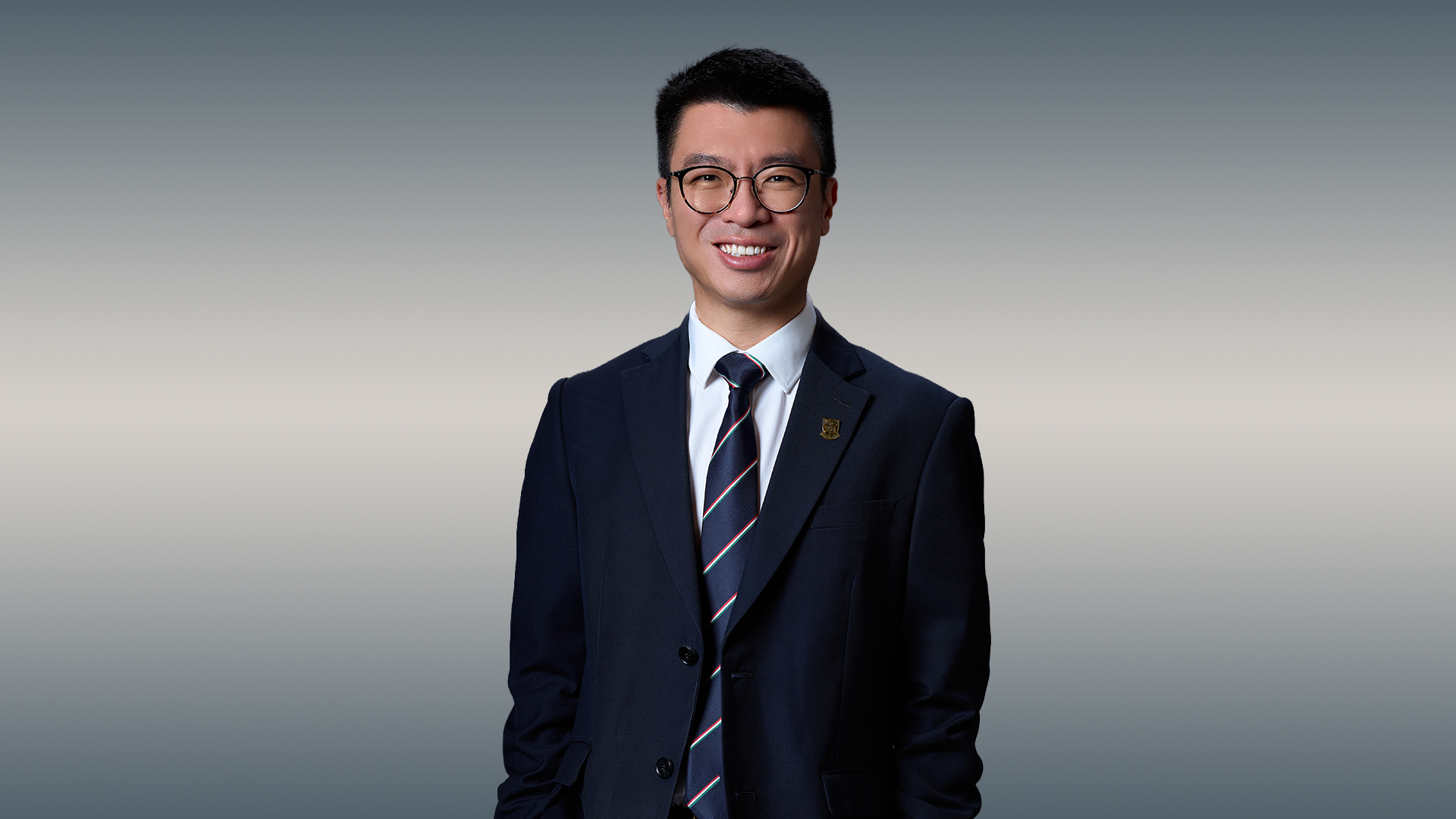
Professor Cecilia Chan Ka-yuk from the Faculty of Education and the Teaching and Learning Innovation Centre at HKU, notes that this is not just anxiety-driven speculation, since a recent MIT study has revealed that using large language models like ChatGPT while writing significantly reduces brain activity compared to writing without assistance. “This is a serious concern for educators,” she says.
She should know – Professor Chan is renowned worldwide for her scholarship on the role of AI in education. “I started researching GenAI even before ChatGPT was launched because I was aware something was coming. And ever since, I have been collecting data about what our students and teachers want, which has also supported our HKU policy,” she said.
Professor Chan is a prolific and highly-cited author in the field, and plays a pivotal role in both shaping its development and in Hong Kong’s rising influence amid a shift toward multipolar global knowledge production, with her papers significantly advancing global discourse on the educational applications and ethical considerations of AI. A cross-institutional team led by Professor Chan to develop students’ holistic competencies beyond their disciplines was also awarded the UGC Teaching Award in 2024.
So why do students use AI so much? One of the reasons may simply be that AI is just too easy to use. “If you’re a student and you’re busy, but you have homework due tomorrow, you’re looking for an efficient solution – AI is the answer,” says Professor Chan. She uses diet as an analogy: you may want to go on a diet, but if someone offers you ice cream, and it’s right in front of you, there’s a good chance you’ll just take it as the easiest option. “Also, some students may lack confidence in their own work, or they may not even understand the assignment, so they rely heavily on AI,” she adds.
Banning AI from our lives is really not an option, Professor Chan feels. “We know that’s not going to happen. We’re always going to have AI now.” So the challenge for educators is to find ways to draw students back from full AI reliance and not using their brains at all to some sort of middle ground.
She has two solutions on how to achieve this. The first option is to build better habits when it comes to using AI in problem-solving. For this she has developed the TACO Framework, which stands for ‘Think, Ask, Check and Own’. The mnemonic device guides students to first think about the question without using AI; next ask AI for guidance, not for answers; then check for biases and accuracy; and then own the understanding by trying to apply it to other situations.
The second solution is about assessment, and thus targets teachers more. “The education ecosystem and mindset need to change,” Professor Chan says. She uses the example of how, as a mother of three herself, the traditional questions she would ask her children were along the lines of: “Did you do your homework?” and “What grades did you get?”
“These questions are now obsolete,” she says. “What we should be asking them is: ‘What have you learned today? How did you reach that understanding?’ It has to be more about the process.”
The challenge for educators is to identify what kind of assessment will help different types and levels of students make the most of the process of learning. “We need to help the teacher first, not the student,” she says. “If the teacher doesn’t change, it’s no use.”
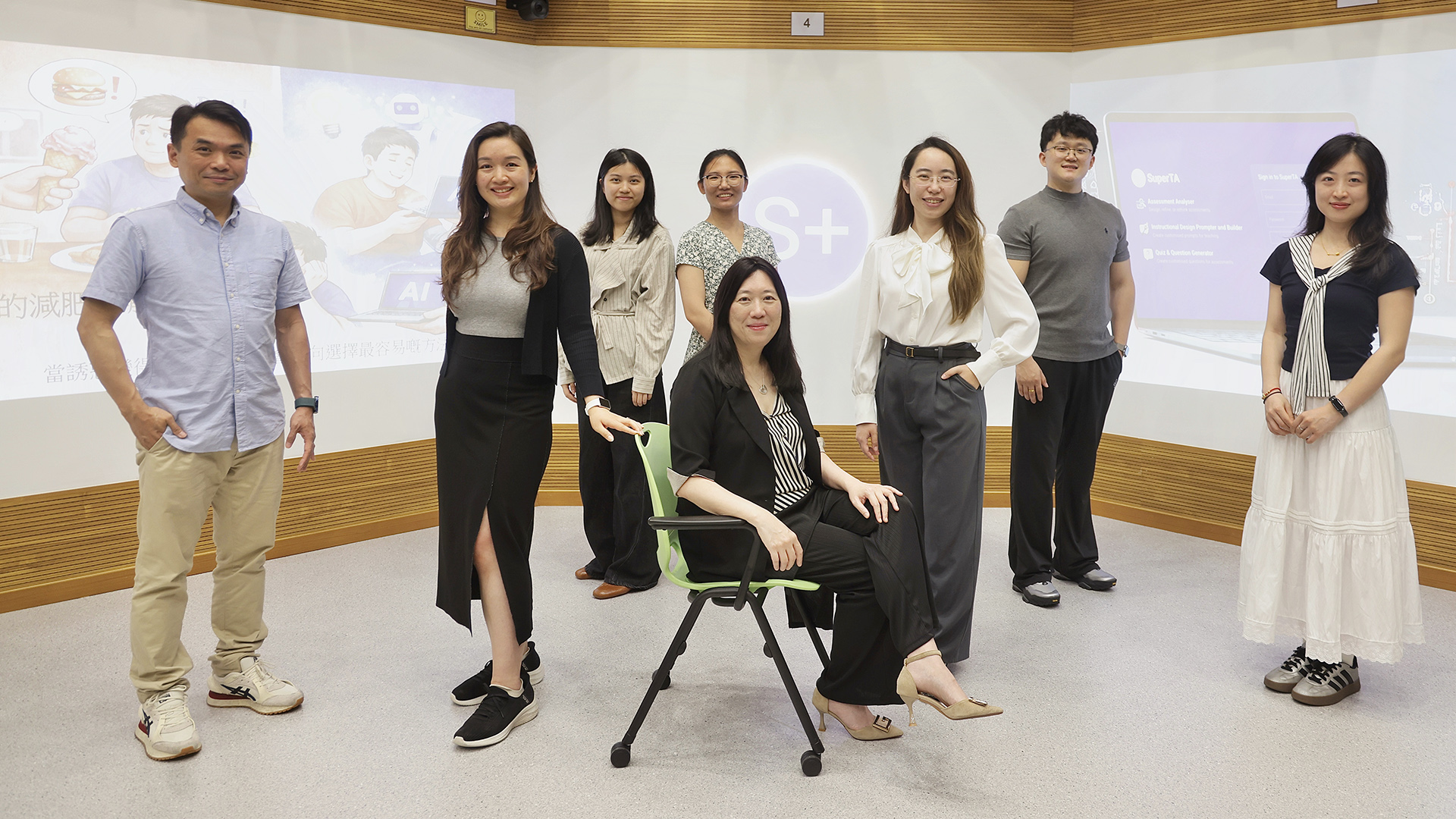
This is why Professor Chan and her team designed SuperTA, the world’s first AI-supported educational tool grounded in a research-backed framework for designing AI-resilient assessments. Developed in collaboration with an industrial partner, SuperTA addresses GenAI challenges such as academic integrity while promoting deep learning, critical thinking, and ethical Al use.
One of the features of SuperTA is the Assessment Analyser, which guides educators in creating AI-resilient assessments based on Professor Chan’s ‘9 Integration Assessment Framework’, drawing from global scholarship to emphasise ethical impacts, human-AI collaboration, and authentic skills.
The tool’s ‘Instructional Design Prompter and Builder’ enables customised lesson prompts for tailored activities, discussions, and materials that integrate AI ethically.
Another key feature is the ‘Quiz & Question Generator’ that quickly produces varied question types including multiple-choice, true/false, short/long answer, fill-in-the-blank with adjustable difficulty, ensuring alignment with learning goals.
SuperTA is available to educators at all levels to help them not only design assessments that are more AI resilient and for different pedagogies, but also as Professor Chan puts it, “to work with AI in their teaching in a more human way, a more collaborative way.”
Historically, Western scholarship has led the way in pedagogical advances. But in the area of AI and education, Asia has emerged as a leader, with HKU as a key player. A recent bibliometric study published in Computers and Education: Artificial Intelligence underscores HKU’s global leadership, ranking it as the world’s most-cited institution in GenAI higher education research based on 2,762 journal articles from 2022 to 2025.
“SuperTA represents HKU’s commitment to translating cutting-edge research into practical tools that empower teachers globally,” said Professor Chan. “Hong Kong is not just participating in the AI education revolution – we’re leading it. By aligning with local and national policies, we’re ensuring assessments remain robust against AI misuse while nurturing skills for the future.”