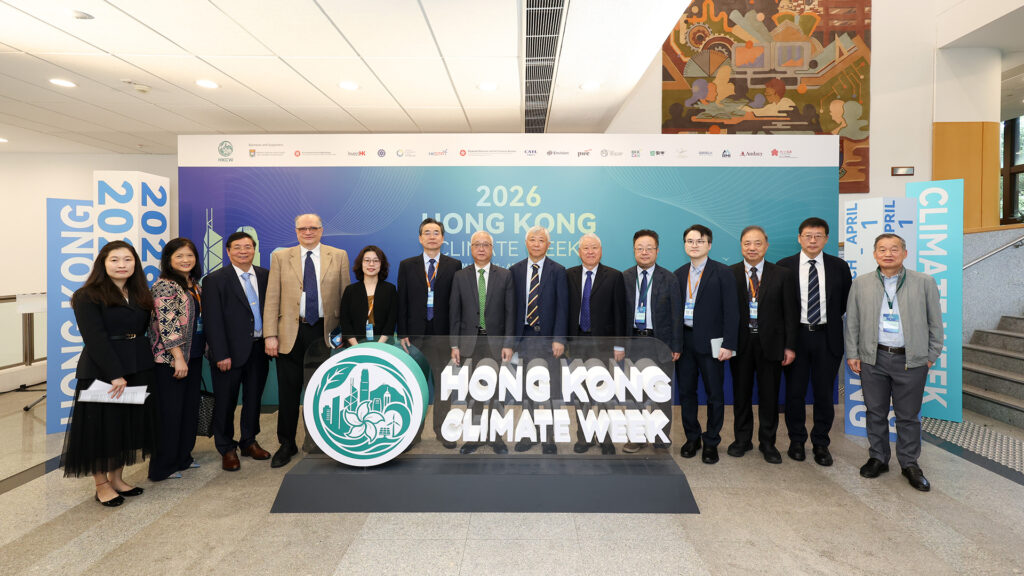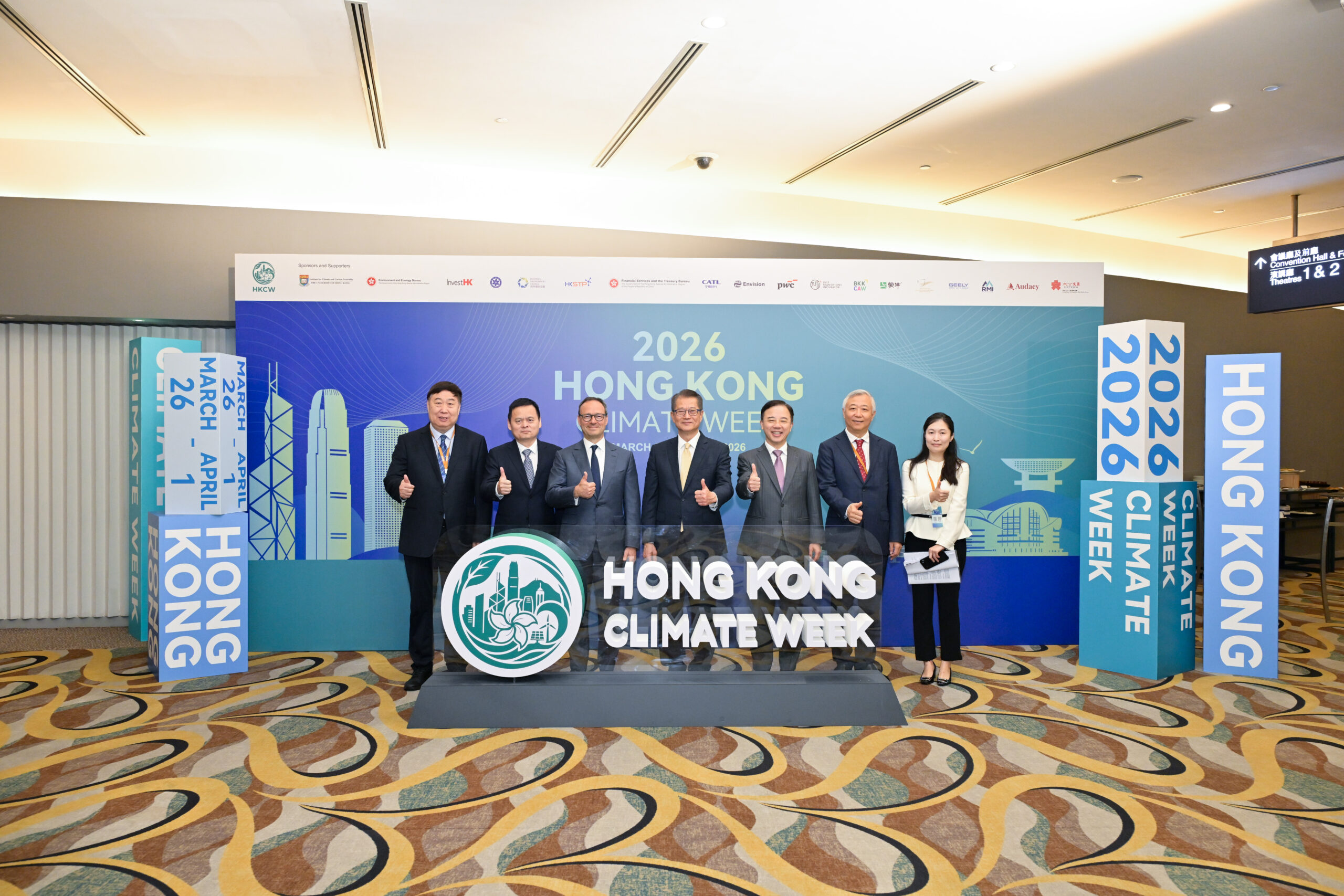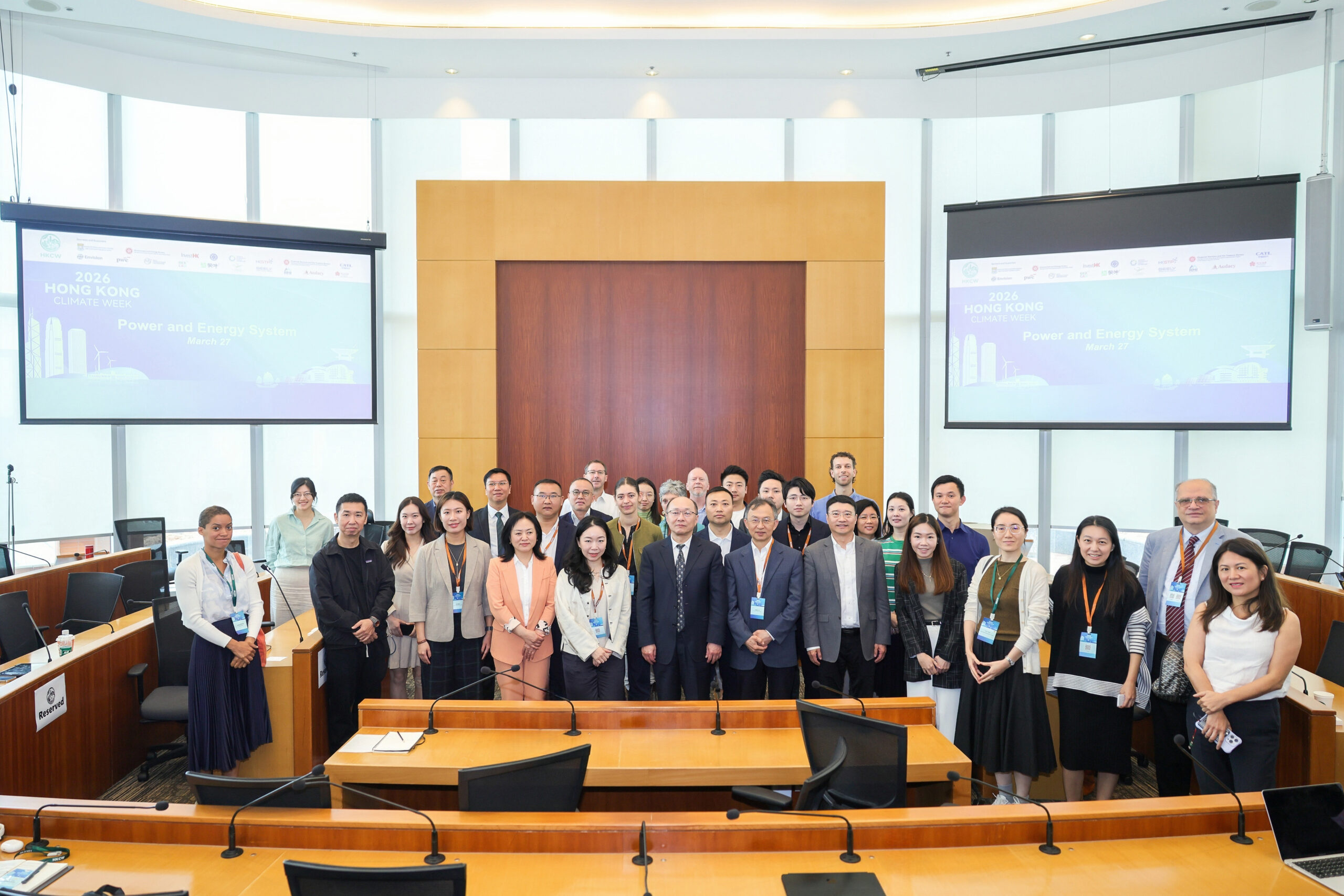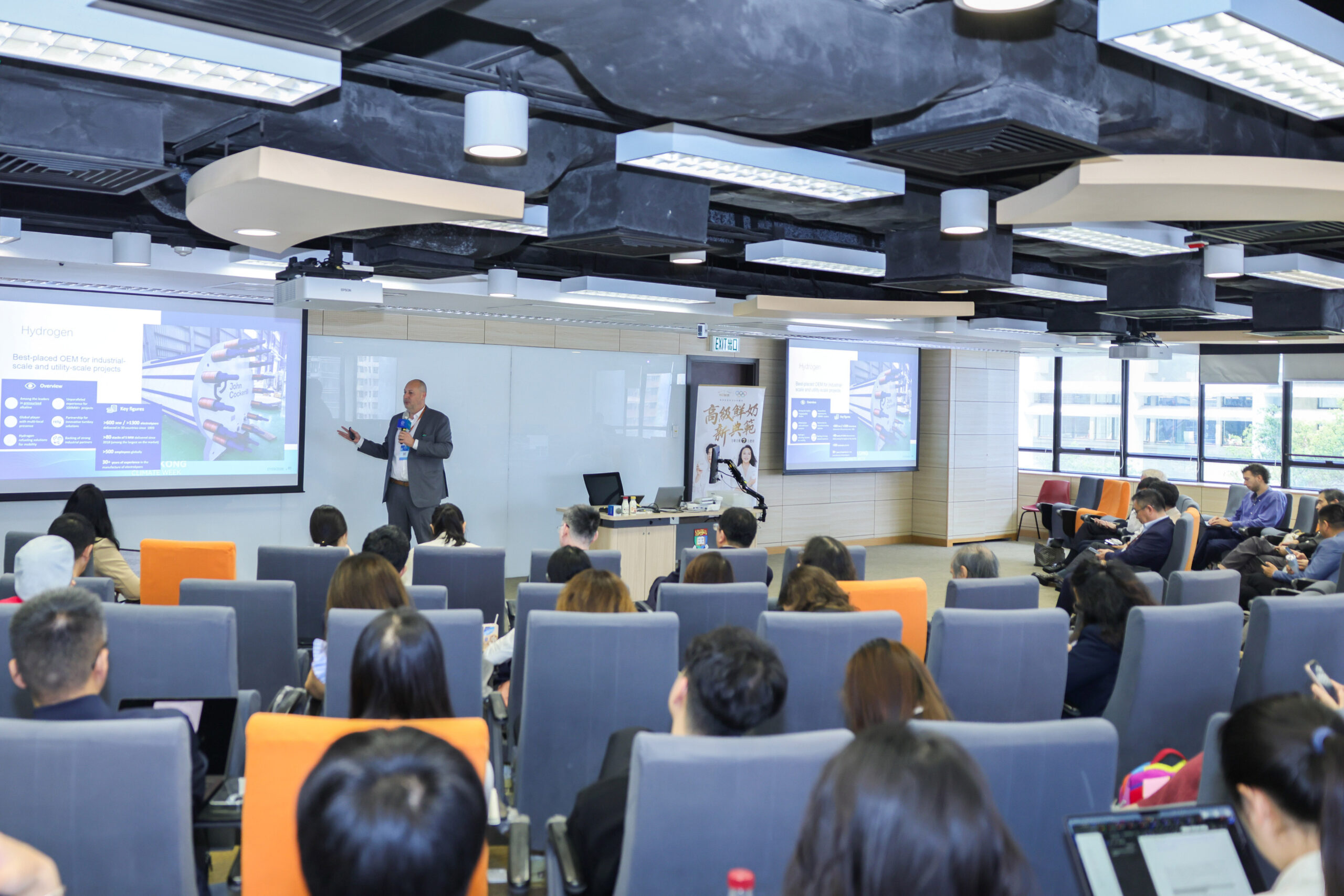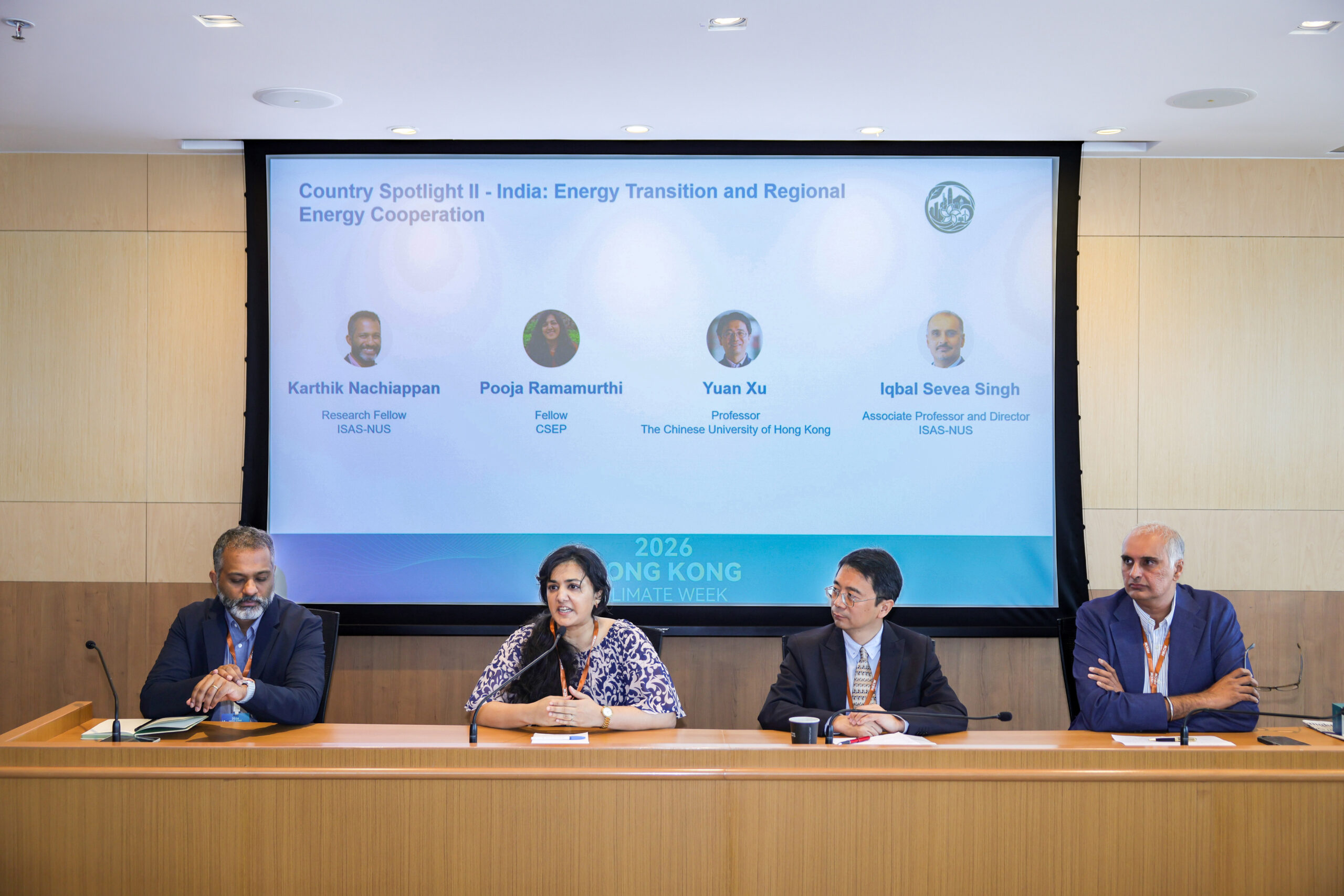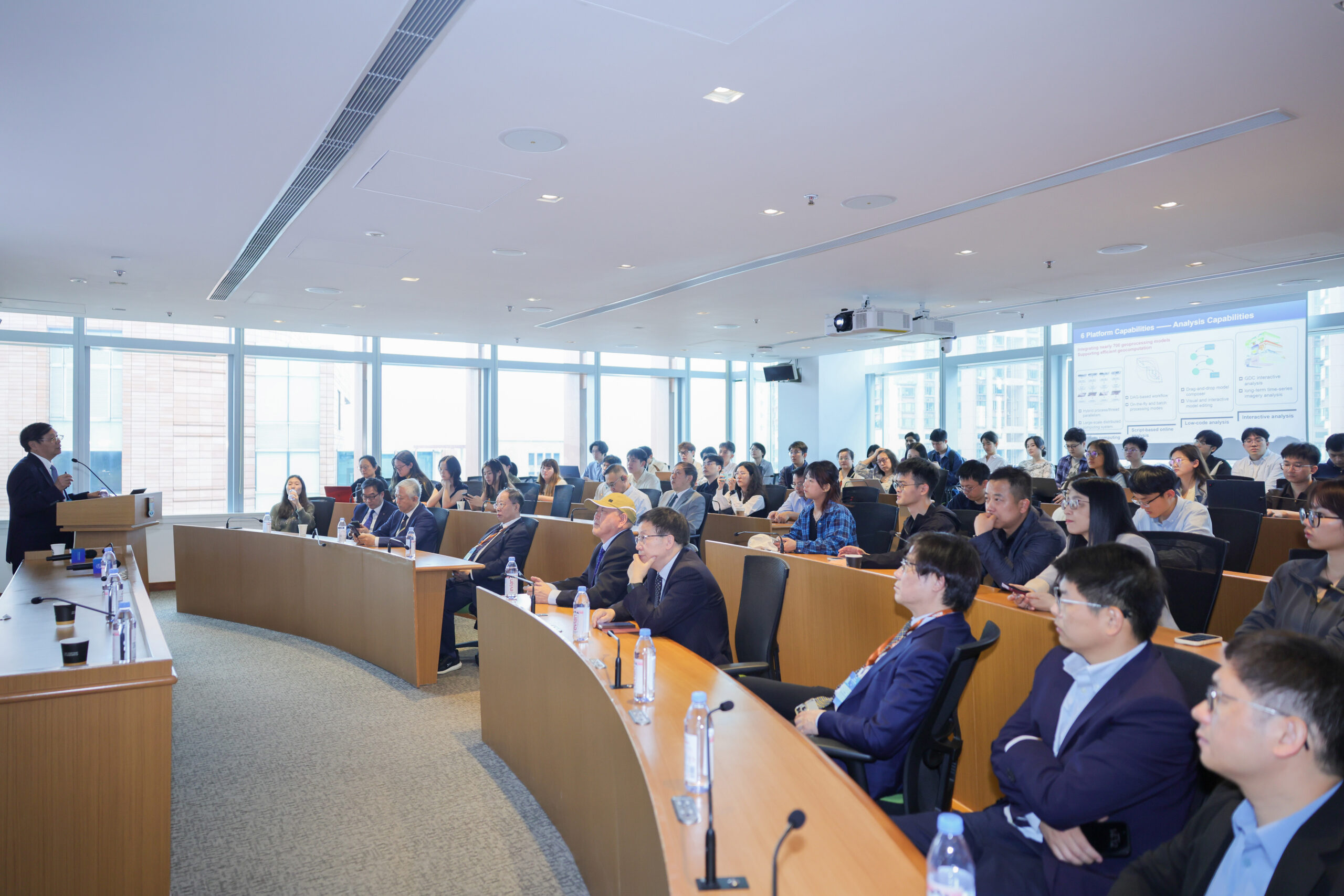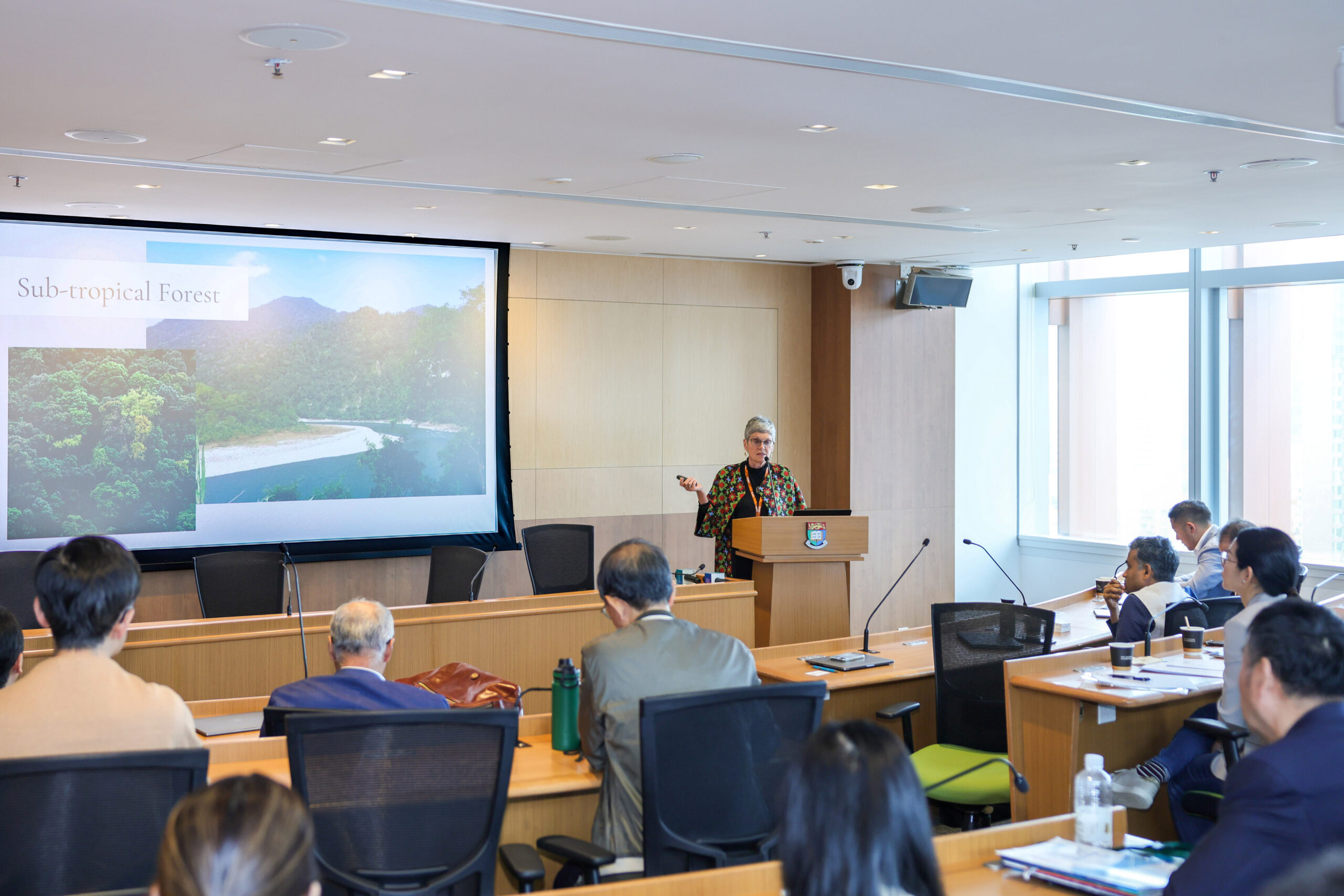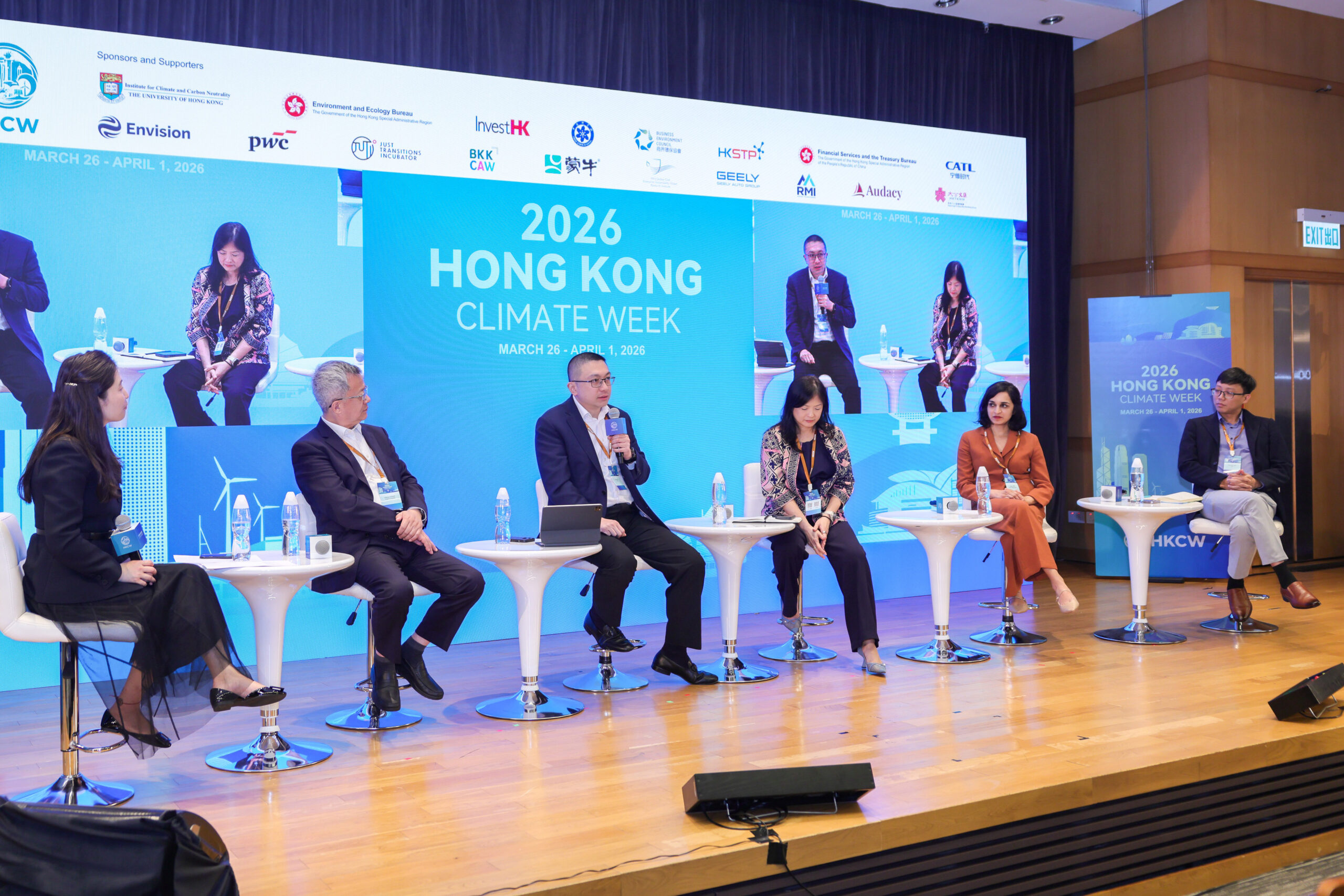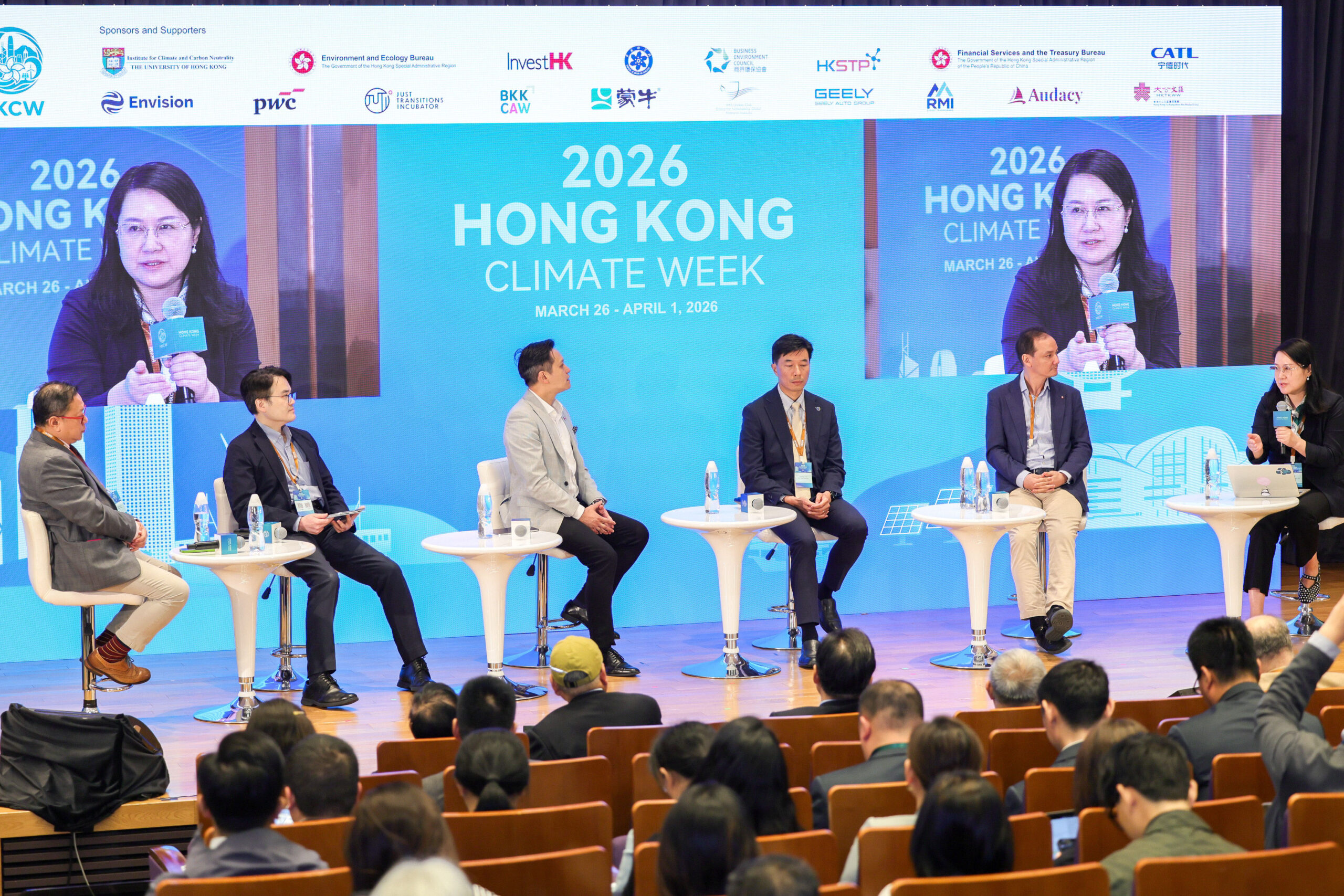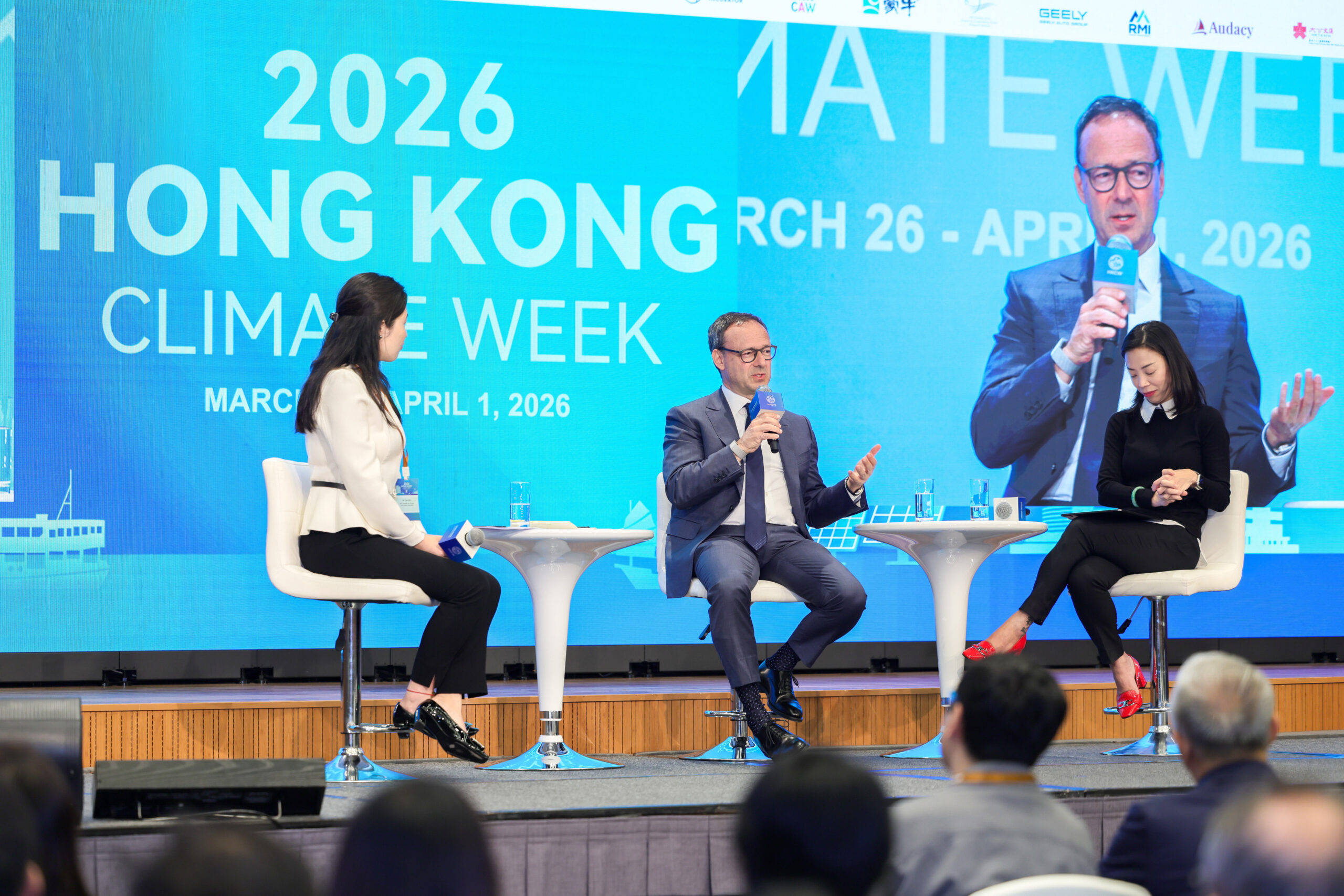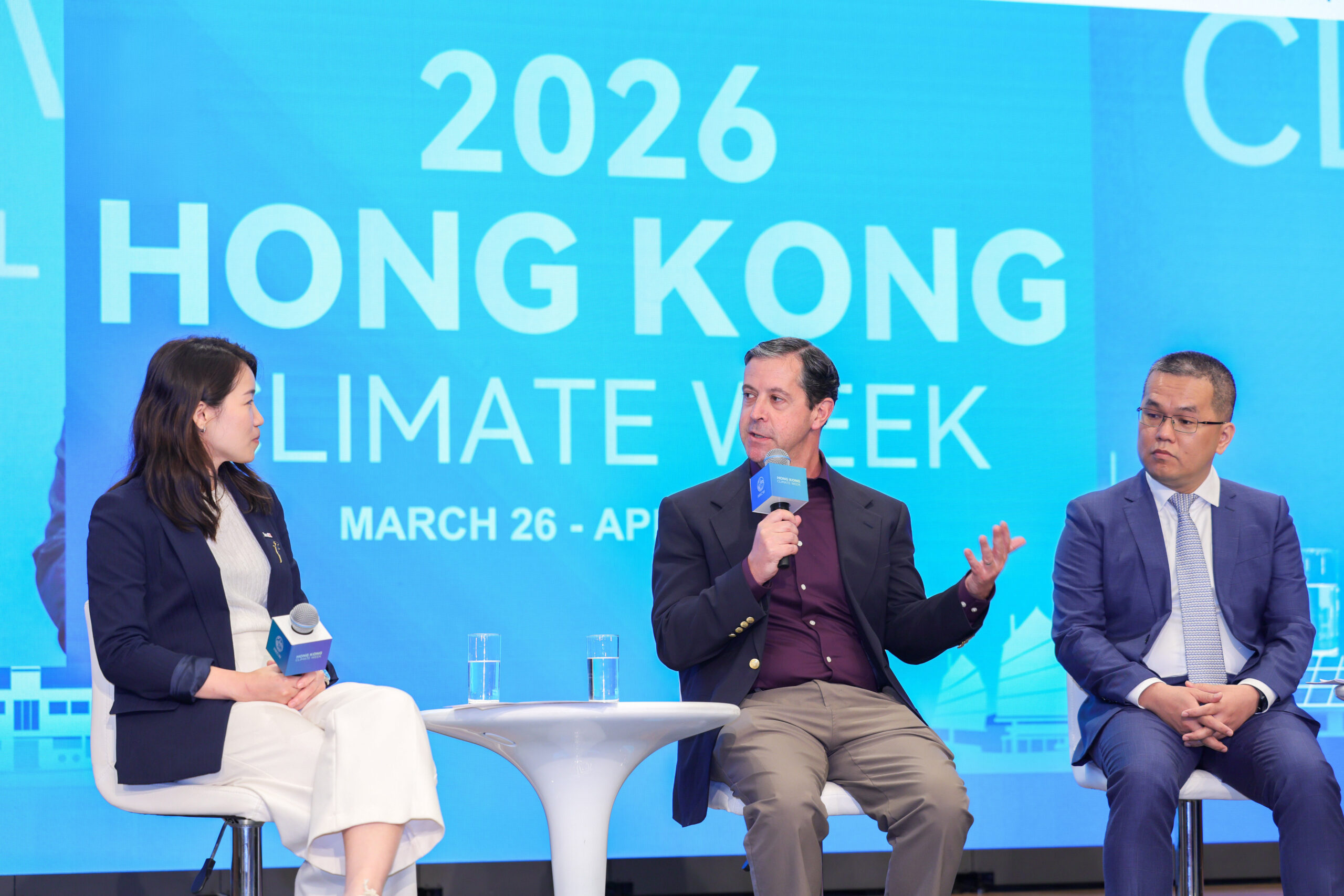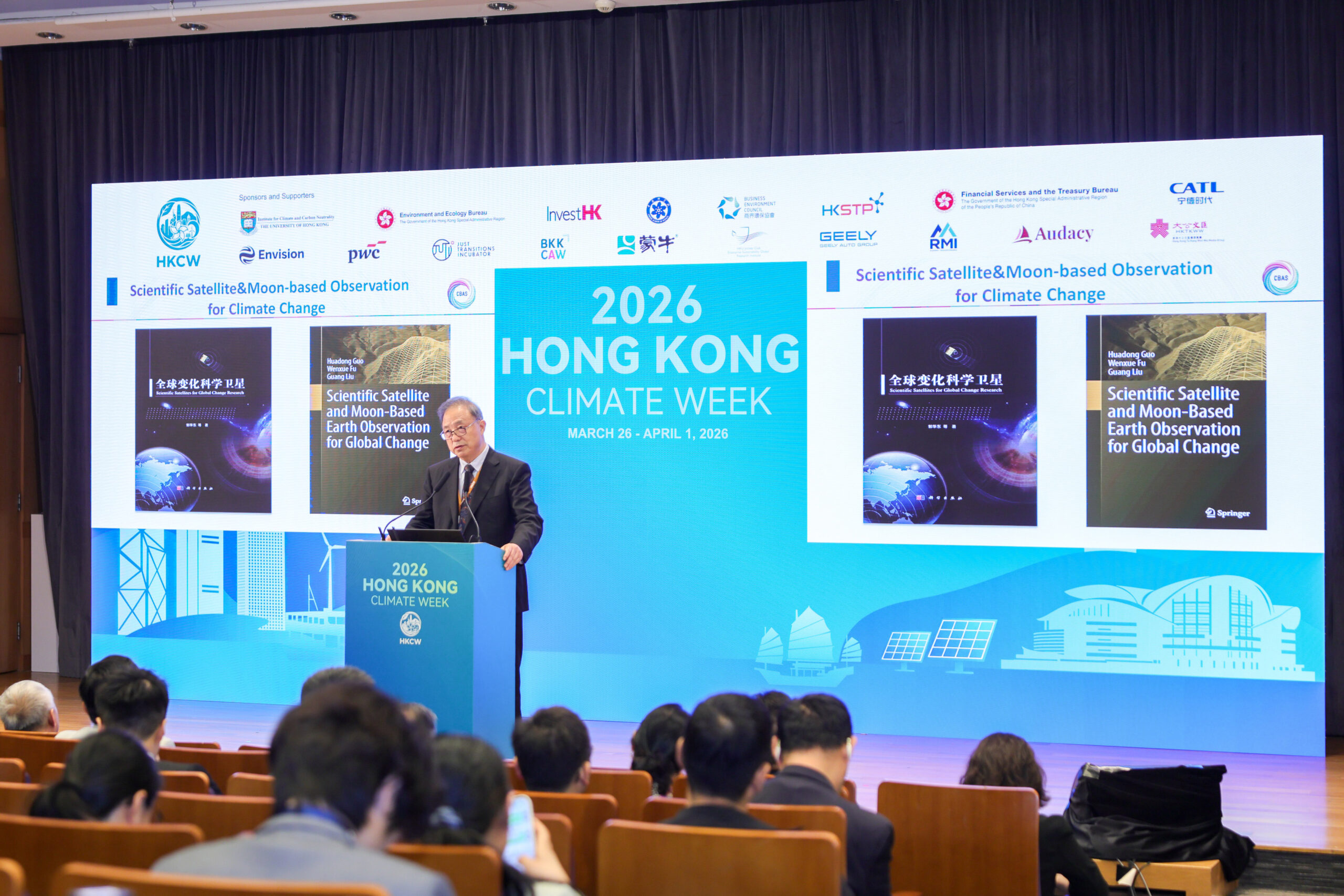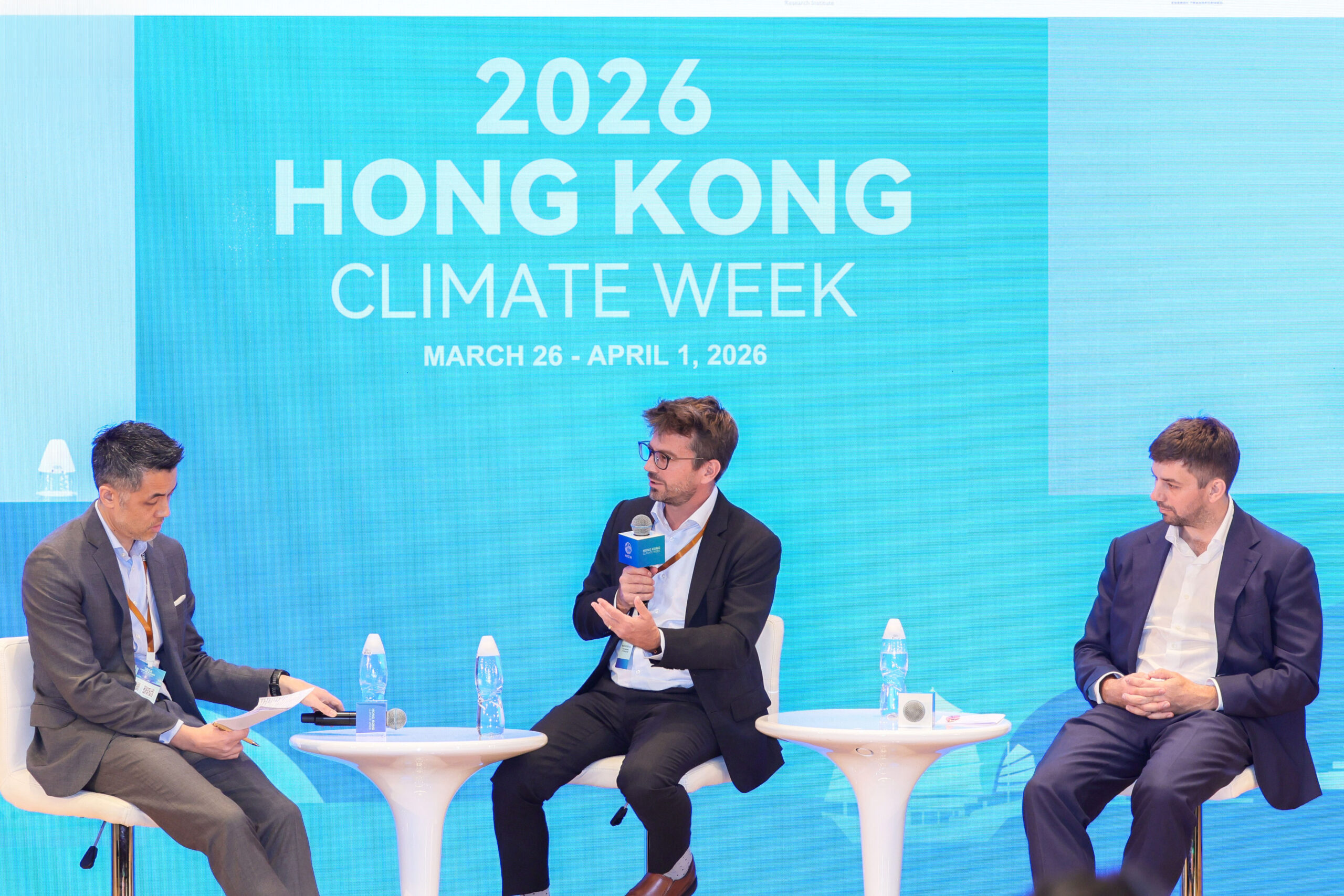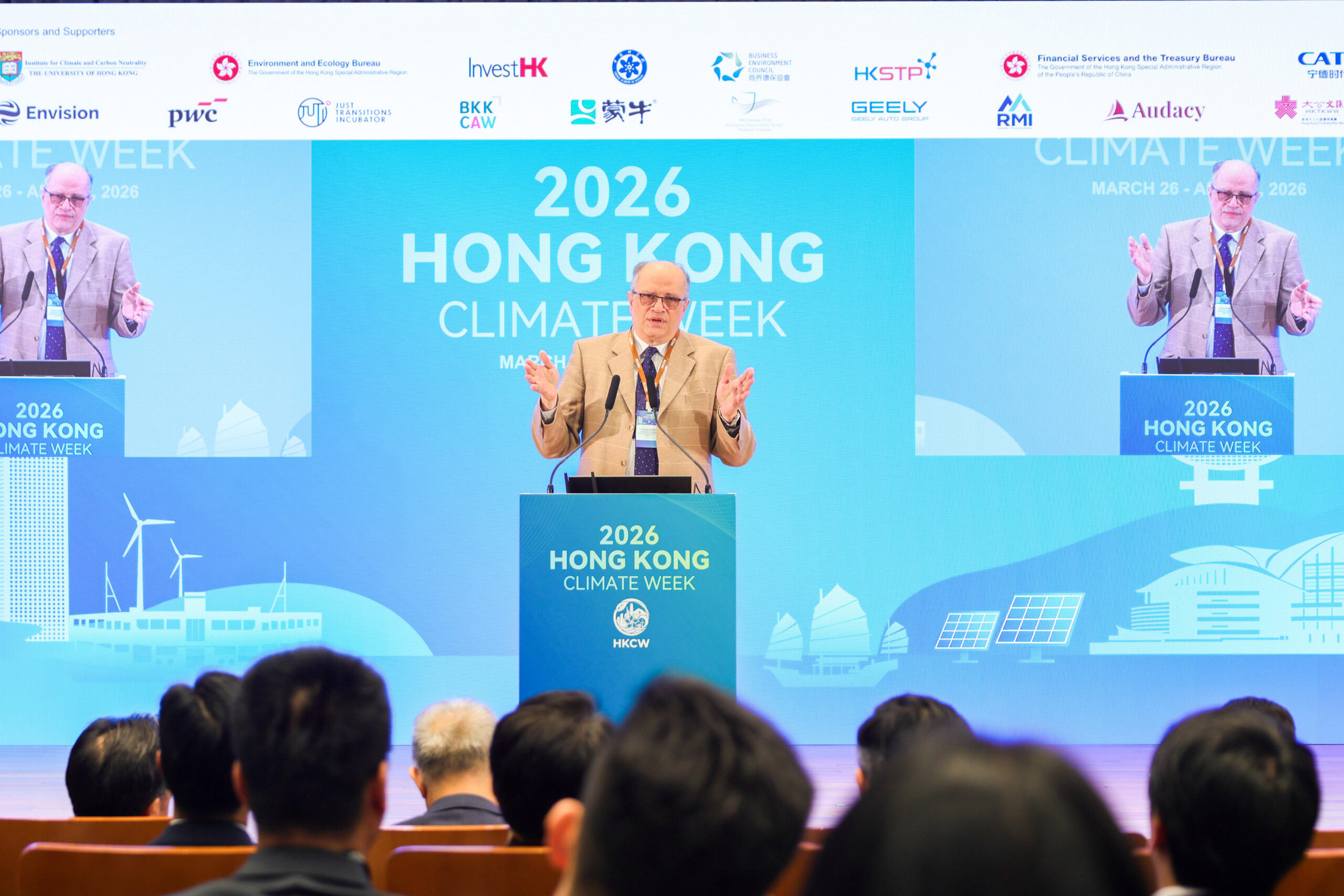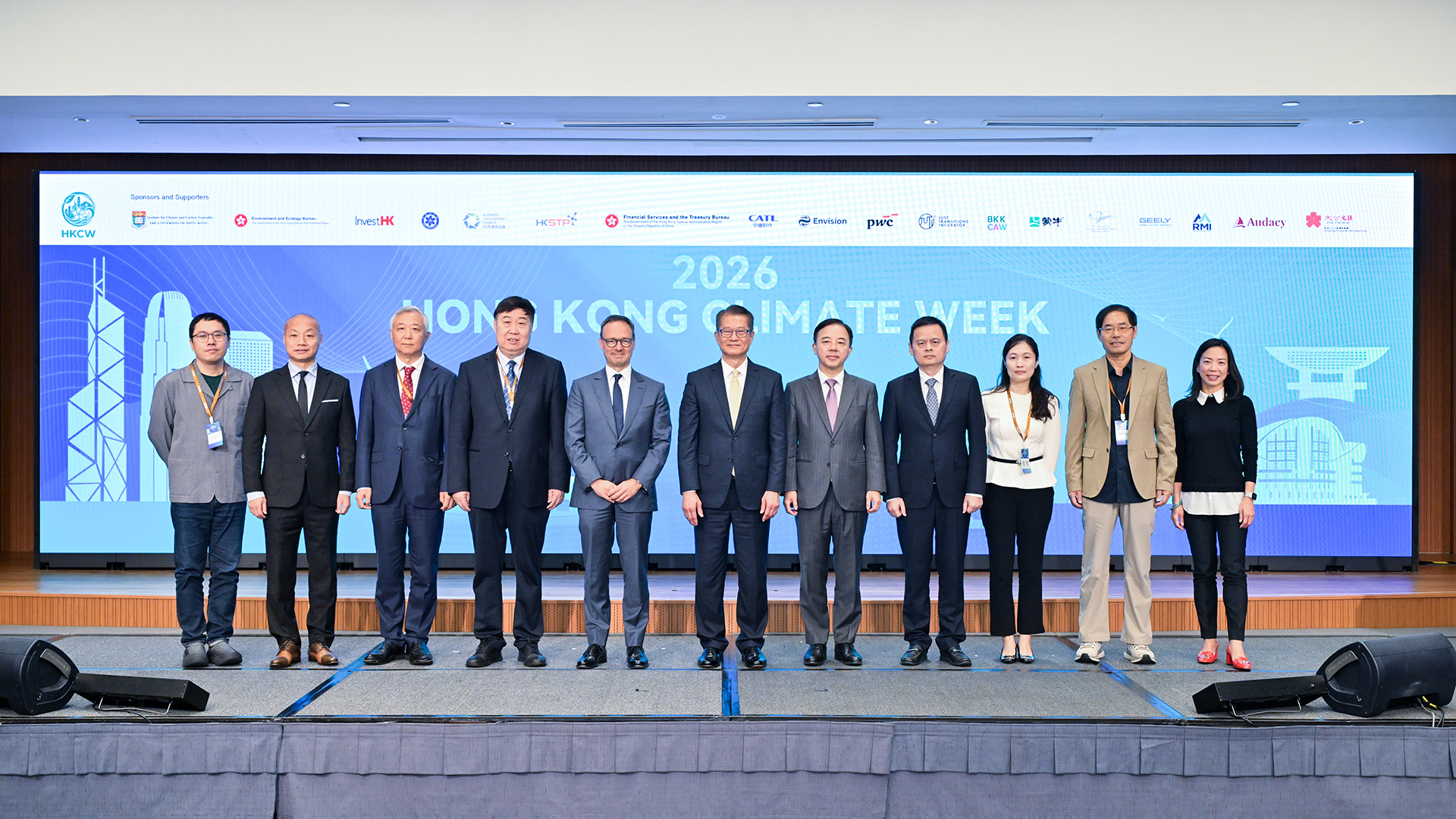
One week, one goal: Harness Hong Kong’s unique strengths as an international financial centre and a global connectivity hub to accelerate a just, inclusive and resilient net-zero transition. Hong Kong Climate Week (HKCW) 2026 was a cross-sectoral climate collaboration platform that was initiated by HKU’s Institute for Climate and Carbon Neutrality (ICCN). Building on the success of the Hong Kong Climate Forum in 2024 and 2025, this year’s Forum marked a significant expansion from the previous two years of focussed professional forums into the first week-long, city-wide climate movement, held from March 26 to April 1.
As ‘Asia’s Premier Climate Gathering’, HKCW 2026 convened diverse voices and perspectives – including governmental and business leaders, professionals, academics, and the wider public – in new and inclusive ways to leverage Hong Kong’s global connectivity, bridge international expertise with local action, and catalyse climate solutions that are relevant for Asia and scalable beyond. It also underscored Hong Kong’s role as a ‘two-way bridge’ connecting the Chinese Mainland with the world, advancing the deployment of climate technology, and channelling green finance. Also in attendance at HKCW 2026 were representatives from the United Nations, officials from the Ministry of Ecology and Environment, world-leading scientists, including over a dozen Academicians from the Chinese Academy of Sciences and the Chinese Academy of Engineering, as well as leaders from pioneering companies such as Contemporary Amperex Technology Co. Limited (CATL), EQT Asia, Hang Seng Bank, Tencent, and Google. Together, they explored cutting-edge solutions spanning clean energy to climate adaptation, working to translate global commitments into transformative action.
This year’s theme, ‘From Mitigation to Adaptation – Bridging Global Consensus and Local Implementation’, was built on a recognition that artificial intelligence (AI) is transforming industries and technologies at an unprecedented pace, while also driving immense demand for electricity. Yet geopolitical tensions are disrupting stable energy supplies, with ripple effects across global supply chains and economic development.
Evidence shows that accelerating green energy and taking decisive action on climate change are not only about protecting ecosystems and communities, they are also about unlocking economic potential and driving growth. The international consensus on climate change has now moved beyond ‘mitigation’ to a proactive embrace of ‘adaptation’. This shift calls for new technological pathways, policy implementation, green finance, and cross-sector collaboration.
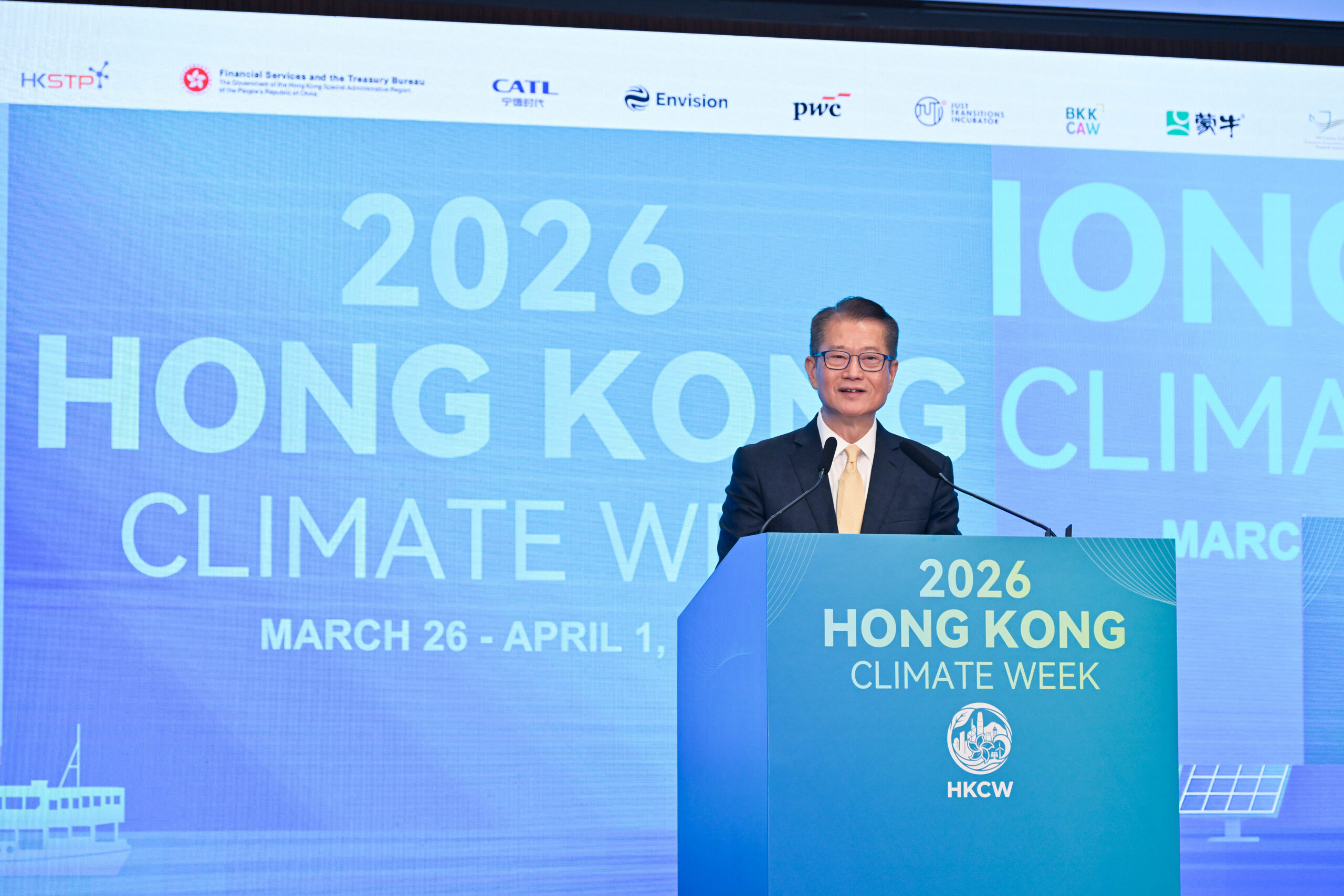
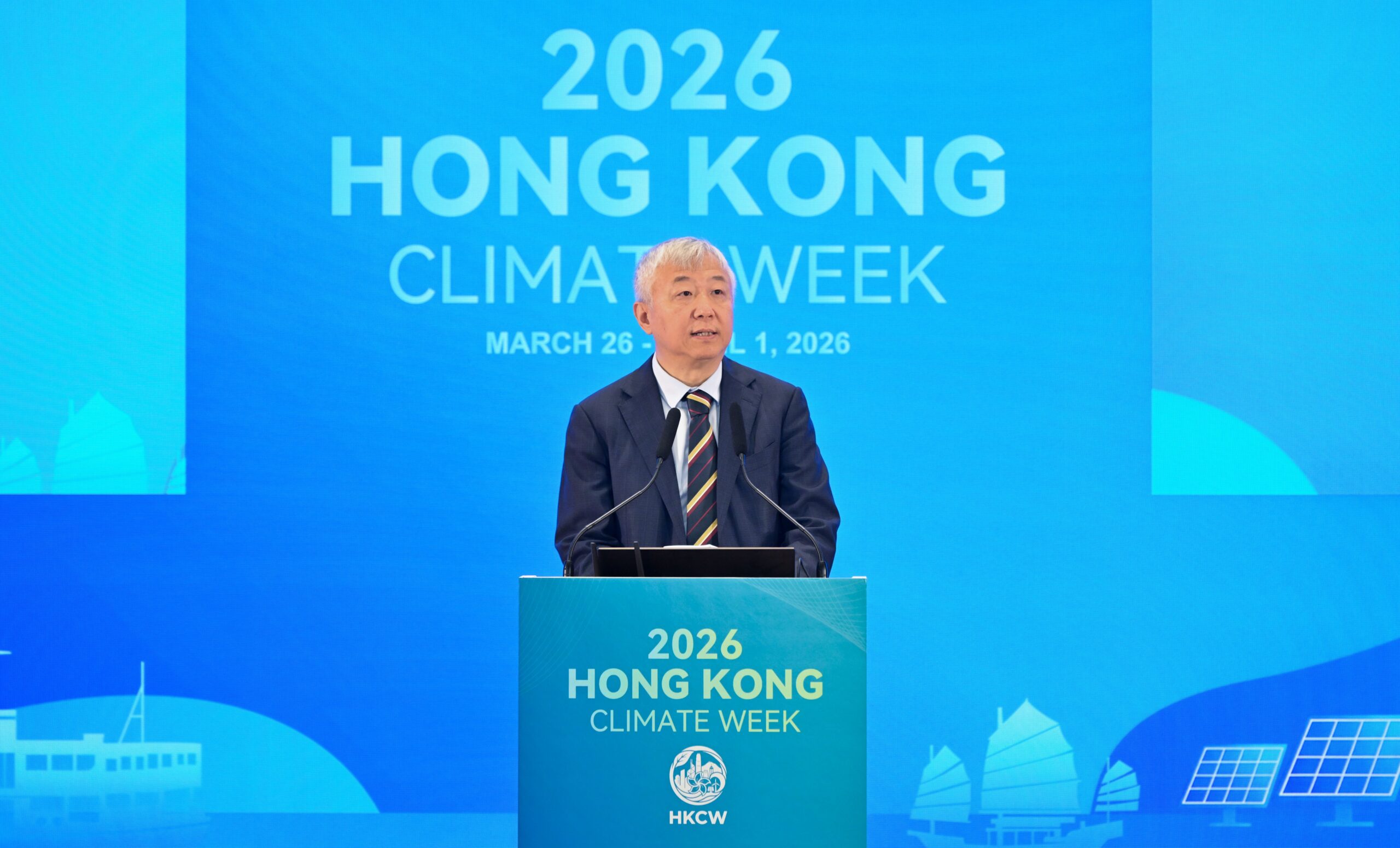
“The climate challenges are immense, but so are the opportunities – provided that we act with urgency and determination,” observed Mr Paul Chan, Financial Secretary of the Hong Kong Special Administrative Region (HKSAR) Government, at the Opening Ceremony. “There is much Hong Kong can – and should – do to support the national and regional drive towards carbon neutrality. Hong Kong can leverage its unique strengths as a leading international financial centre and a rising global innovation and technology hub. We offer not only capital and green technologies, but also the connectivity that bridges markets and talent that help shape solutions and drive collaboration.”
Mr Chan noted that Hong Kong is well positioned to channel private capital into green transition projects, expand carbon-market connectivity, and scale up green and climate technologies, in particular those powered by AI. He also stressed the importance of nurturing talent in climate finance and risk management, as well as relevant technologies.
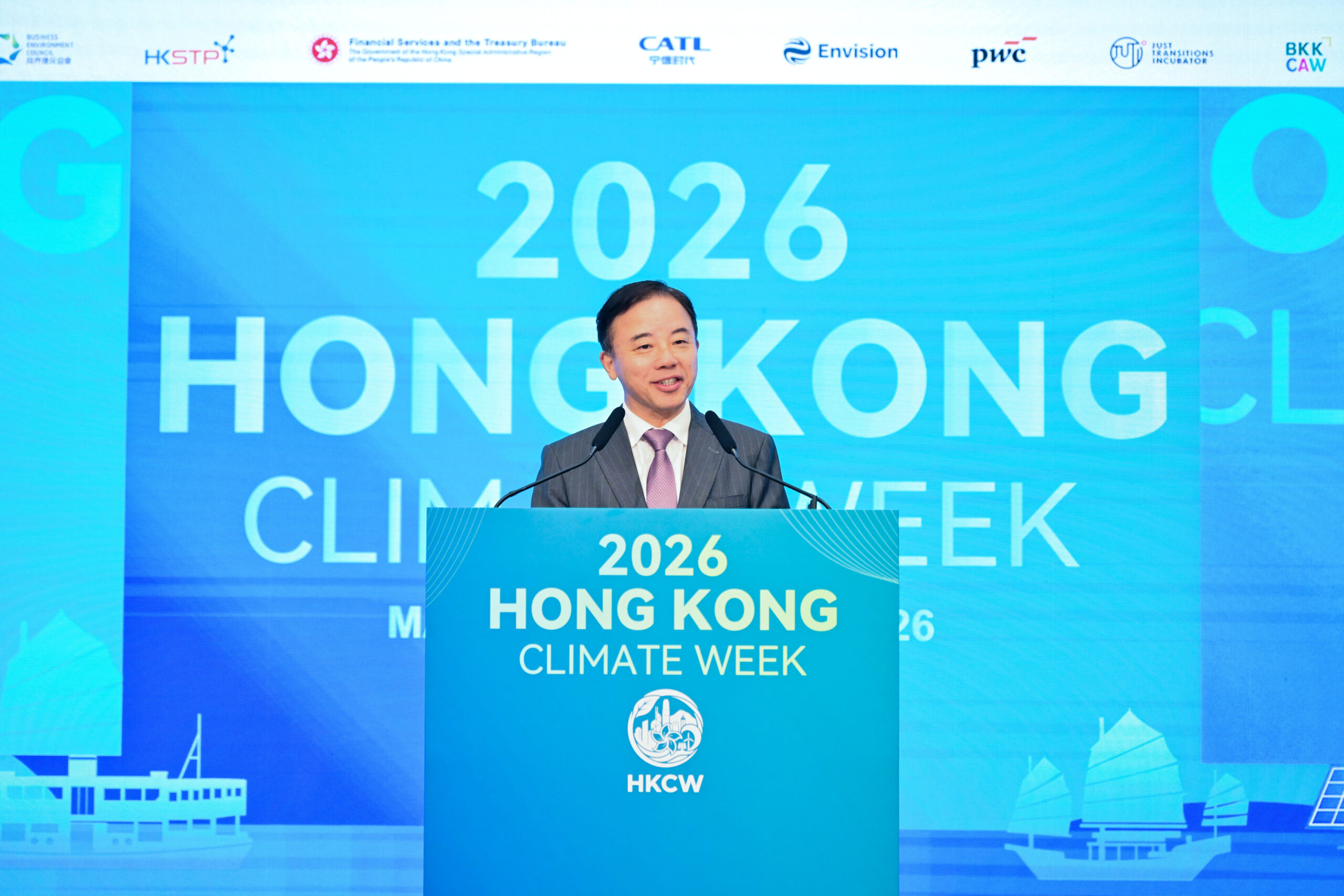
Professor Xiang Zhang, President and Vice-Chancellor of HKU, noted that the University is aiming to serve as an ‘engine’ in this green transformation by supporting research and the realisation of R&D, and more importantly, to take on the critical role of nurturing talent in this field.
Professor Peng Gong, Vice-President and Pro-Vice-Chancellor (Academic Development) of HKU added that the deep application of AI is creating a more favourable environment for research, application, and knowledge transfer, which would better support the international community in addressing climate change, advancing green development, and making greater contributions to human health.
One of the flagship events for HKCW 2026 was the ‘Action for Earth’ Summit, held on March 30 at HKU’s Rayson Huang Theatre, which brought together representatives from the United Nations, the Ministry of Ecology and Environment, the HKSAR Government, the business sector, and leading international academic institutions to examine policy pathways, frontier research and actionable strategies for climate adaptation.
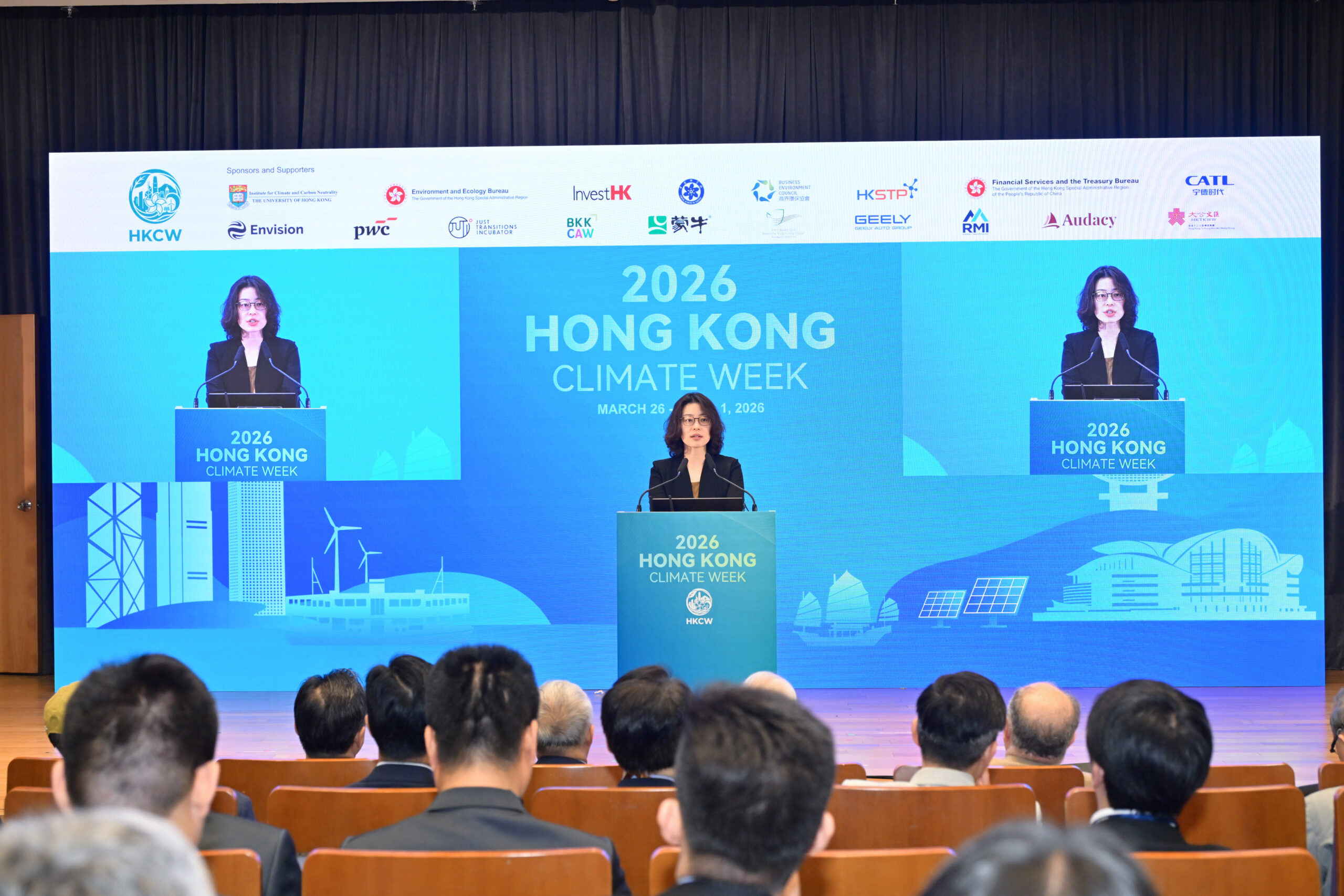
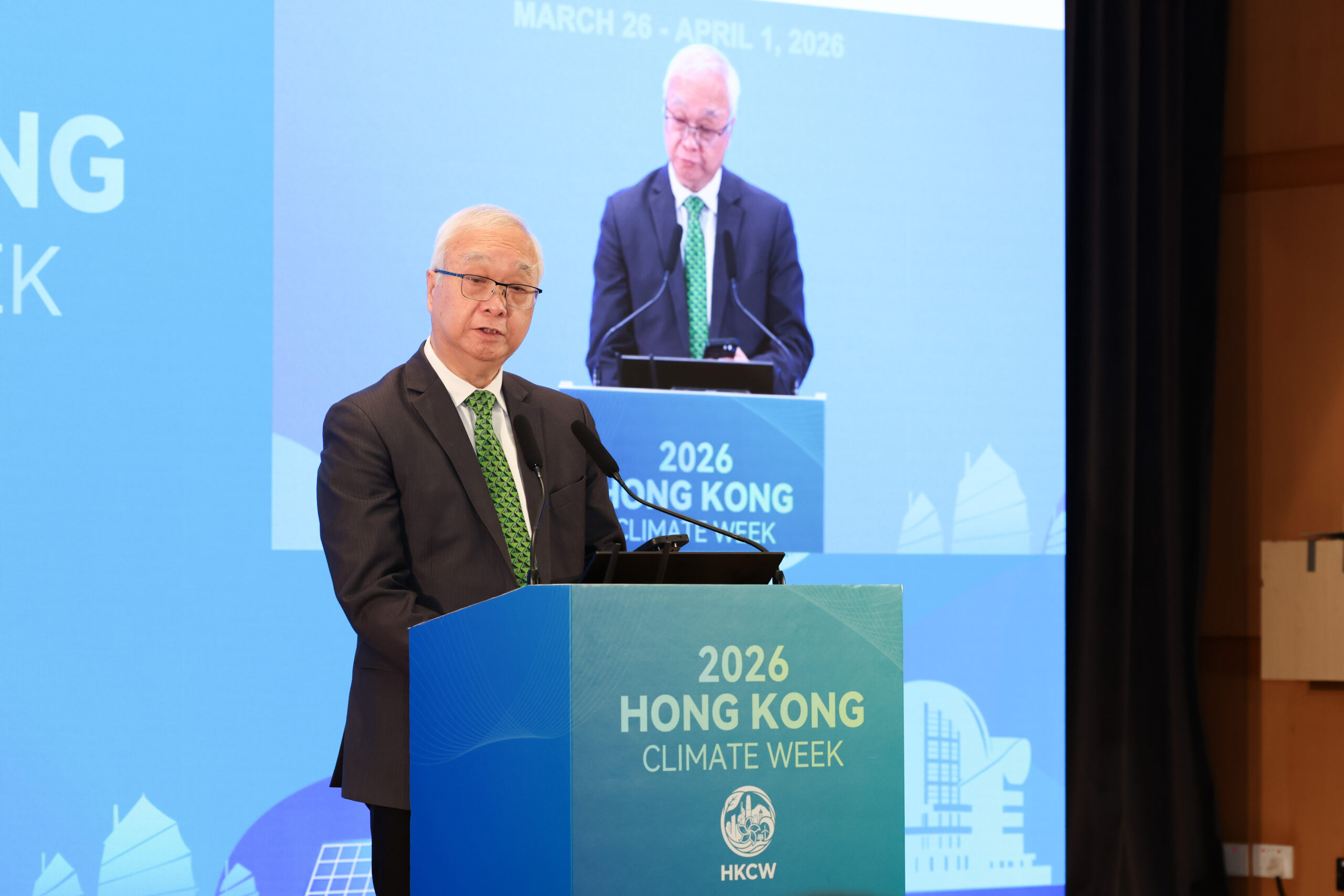
The Summit opened with remarks from Professor Peng Gong; Ms Yang Liu, Deputy Director-General of the Department of Climate Change at the Ministry of Ecology and Environment; and Mr Tse Chin-wan, Secretary for Environment and Ecology of the HKSAR Government.
Two keynote sessions were featured during the Summit. The first, titled ‘Priority Policies for Global Climate Adaptation’, brought together Dr Youssef Nassef, Director of the Adaptation Division at the United Nations Framework Convention on Climate Change (UNFCCC); Mr Joseph Chan, Under Secretary for Financial Services and the Treasury of the HKSAR Government; Mr Tian Chen, Director-General of the Beijing Municipal Bureau of Ecology and Environment; and Mr Yi Wang, Member of the Environmental Protection and Resources Conservation Committee of the National People’s Congress. The speakers shared insights on climate policy approaches across different regions, offering valuable perspectives for cross-border climate action.
The second keynote session, ‘Frontier Research for Global Climate Adaptation’, was a discussion of innovative climate technologies and applications from a scientific perspective. It featured three academicians from the Chinese Academy of Sciences or the Chinese Academy of Engineering – Professor Huadong Guo, Professor Jianya Gong, and Professor Kebin He.
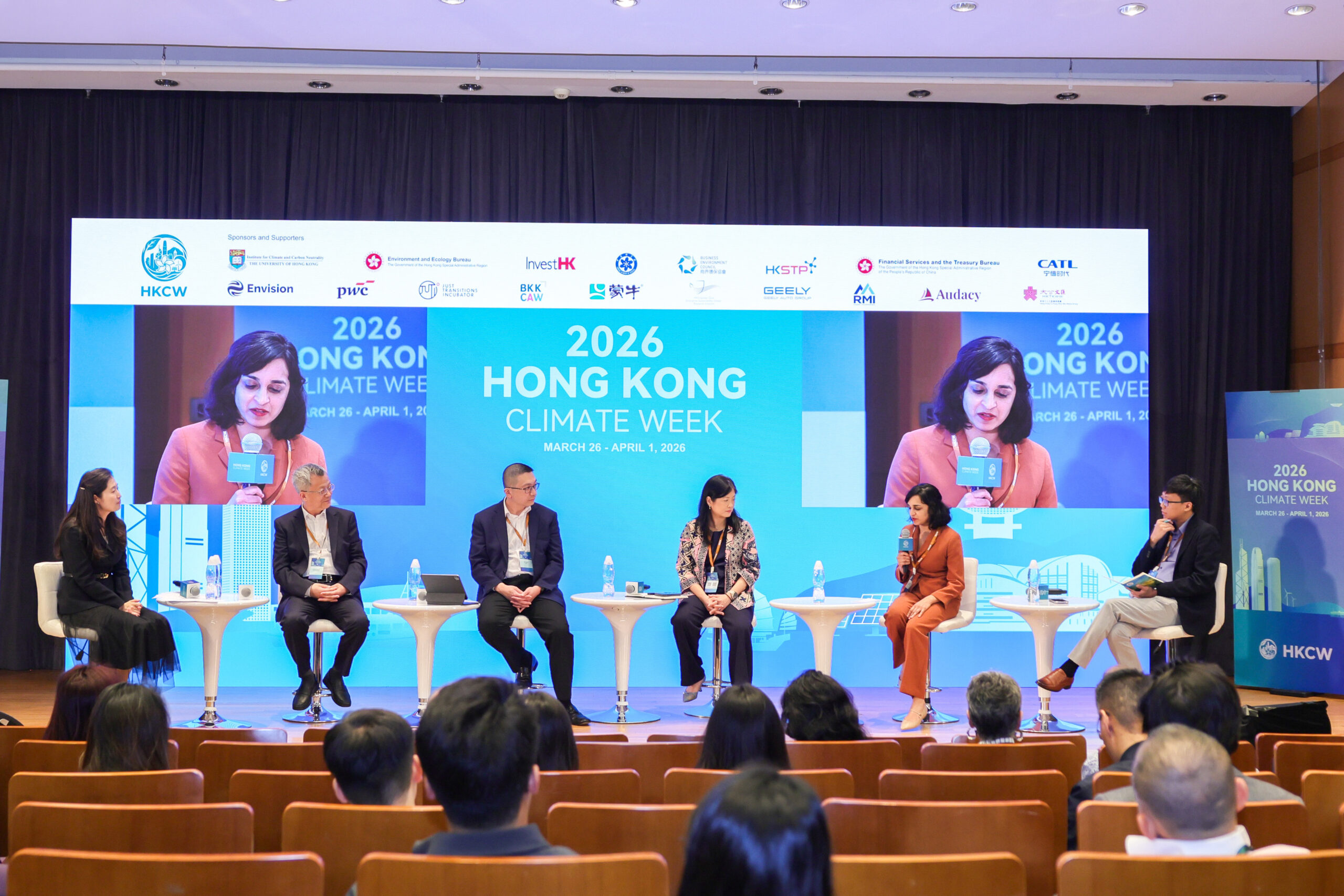
A roundtable discussion brought together Mr Arthur Lee, Commissioner for Climate Change of the HKSAR Government; Mr Patrick Ho, Head of Sustainable Development at Swire Properties; Mr Thomas Lui, Director of Decarbonisation and Integrated System Planning at CLP Power; Mr Leo Horn-Phathanothai, Founder and Convenor of Bangkok Climate Action Week; and Dr Ting Li, Managing Director and Chief Representative of the Beijing Office at RMI. Mr Lo Sze-ping, Program Director of the Sequoia Climate Foundation, moderated the discussion.
The Summit also marked a further HKU collaboration with the manufacturer of new energy technologies CATL and the official launch of the CATL-HKU ICCN Joint Laboratory. This builds on a strategic partnership established in June 2025, bringing together CATL’s new energy technology leadership and HKU’s research excellence to accelerate the transition toward a zero-carbon future.
The week came to a close with a series of discussion and forums focussed on the implementation of climate adaptation practices and future directions.
This was the third consecutive year that HKU’s ICCN has organised a major climate event. The ICCN is dedicated to establishing itself as a prominent global hub for climate science research. Its focus includes studying the effects of climate change on both ecosystems and humans, as well as developing strategies and technologies for mitigating and adapting to these changes. The Institute aims to facilitate connections and collaborations between Hong Kong and the Chinese Mainland, the Greater Bay Area, and other neighbouring regions to foster innovation and exchange in clean technology.