When HKU says that it champions ‘thinking outside the box’, it really does walk the walk. So much so that the University established its new School of Innovation (I-School) in November 2024 specifically to encourage students to let their imaginations run wild, while also grounding them with technical skills and interdisciplinary understanding for making innovations that will benefit society.
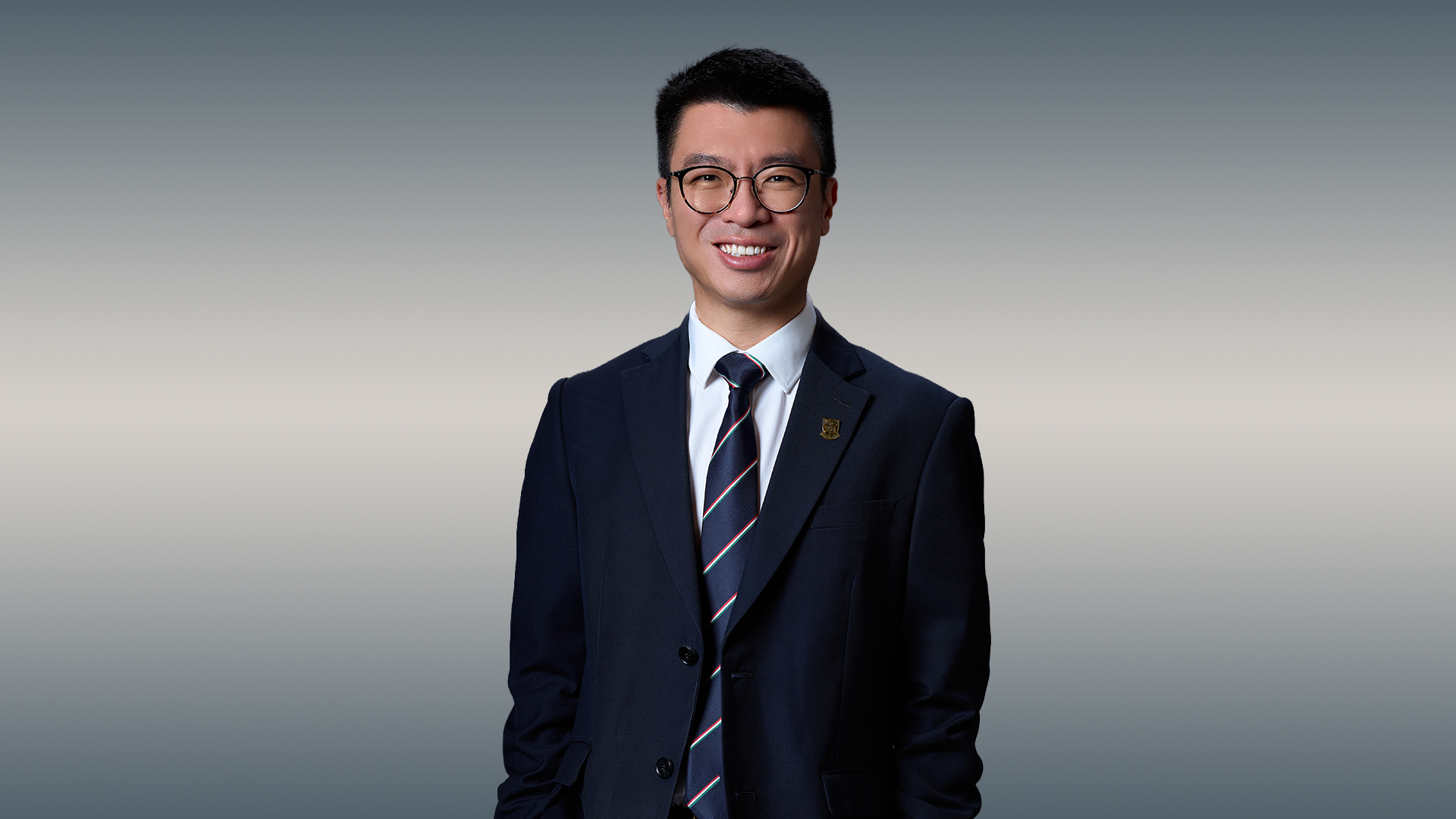
“Innovation is something you can hardly teach. It’s more about learning through doing. I often say we are cultivating and nurturing innovators at the I-School instead of teaching them, because you really need time and experience to become an innovator through doing,” says the Director of I-School, Professor Hayden So.
“The key is to plant the seed of innovation early in their studies,” he says. “Once they are motivated, they will pursue their passions across diverse fields throughout their innovation journey. That’s what future innovators will look like – self-motivated, agile, and compassionate.”
Since welcoming its first cohort of students in the Bachelor of Science in Innovation and Technology [BSc(I&T)] degree last September, the I-School has translated its educational vision into action through a robust curriculum centred on experiential, interdisciplinary, and project-based learning.
“We apply what we learn almost instantly,” says Ms Sanika Jadhav, a student in the BSc(I&T) inaugural cohort. “We’re never sitting in lectures – it’s all discussions and group work. For a robotics project, our teachers gave us the basics, then turned us loose to build anything we wanted.”
That approach appealed to her, as she knew she wanted a programme that would encourage experimentation. She quickly embraced I-School’s interdisciplinary strategy, which allowed her to try out different ideas and identify her interests. “I-School is for anyone who is creative and has a lot of ideas,” she says. “And if you love experiments and hands-on work.”
Over the past academic year, students have engaged with the local innovation and technology ecosystem through visits to Hong Kong Science Park, the HKU Techno-Entrepreneurship Academy and Tencent Headquarters in Shenzhen; collaborated with organisations including the Hong Kong Science Museum, Hong Kong Shipowners Association, and Food Angel; and contributed to the HKU community through events like the InnoJoy Carnival. These activities underscore the School’s emphasis on bridging the gap between classroom theory and real-world application.
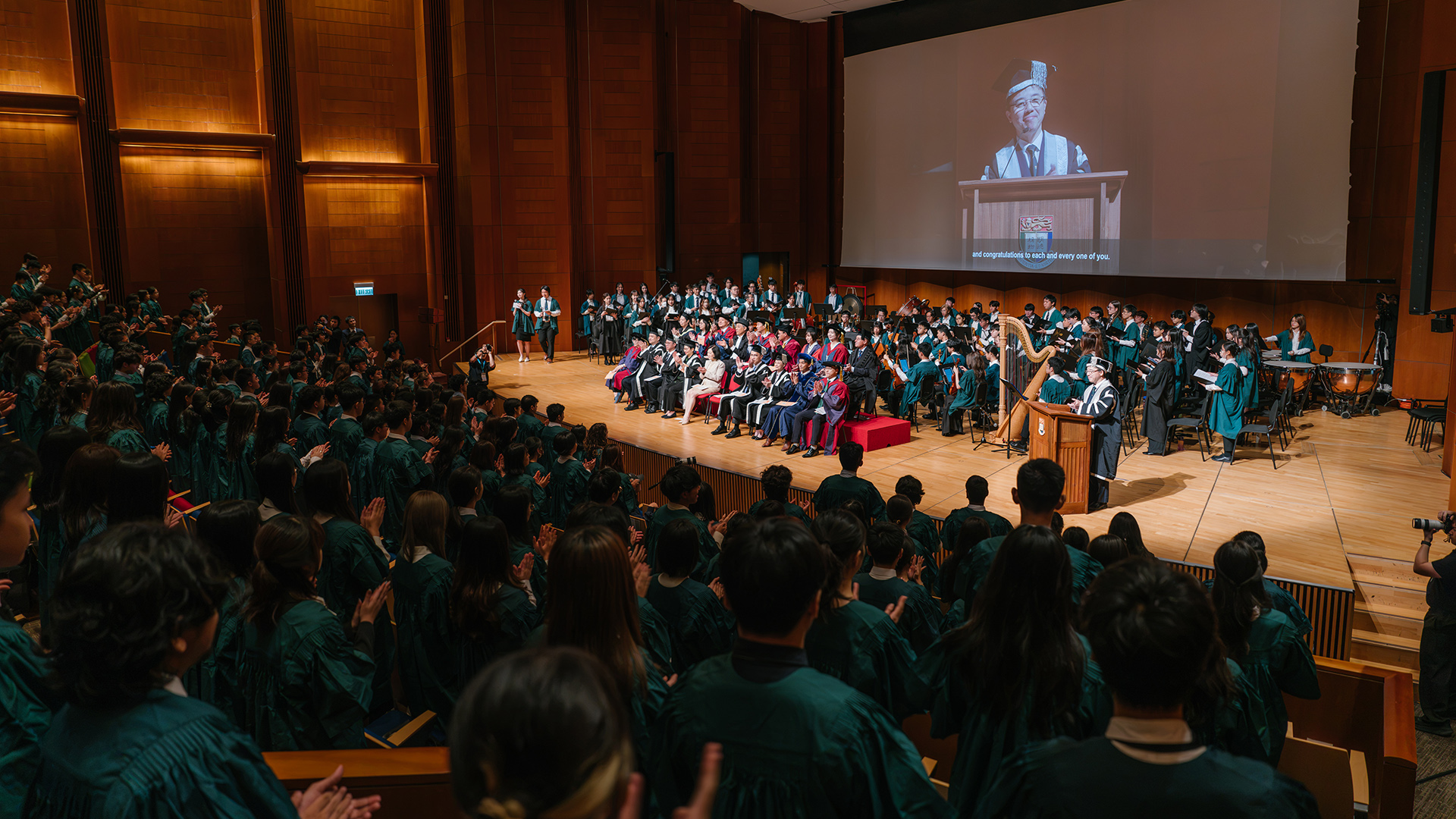
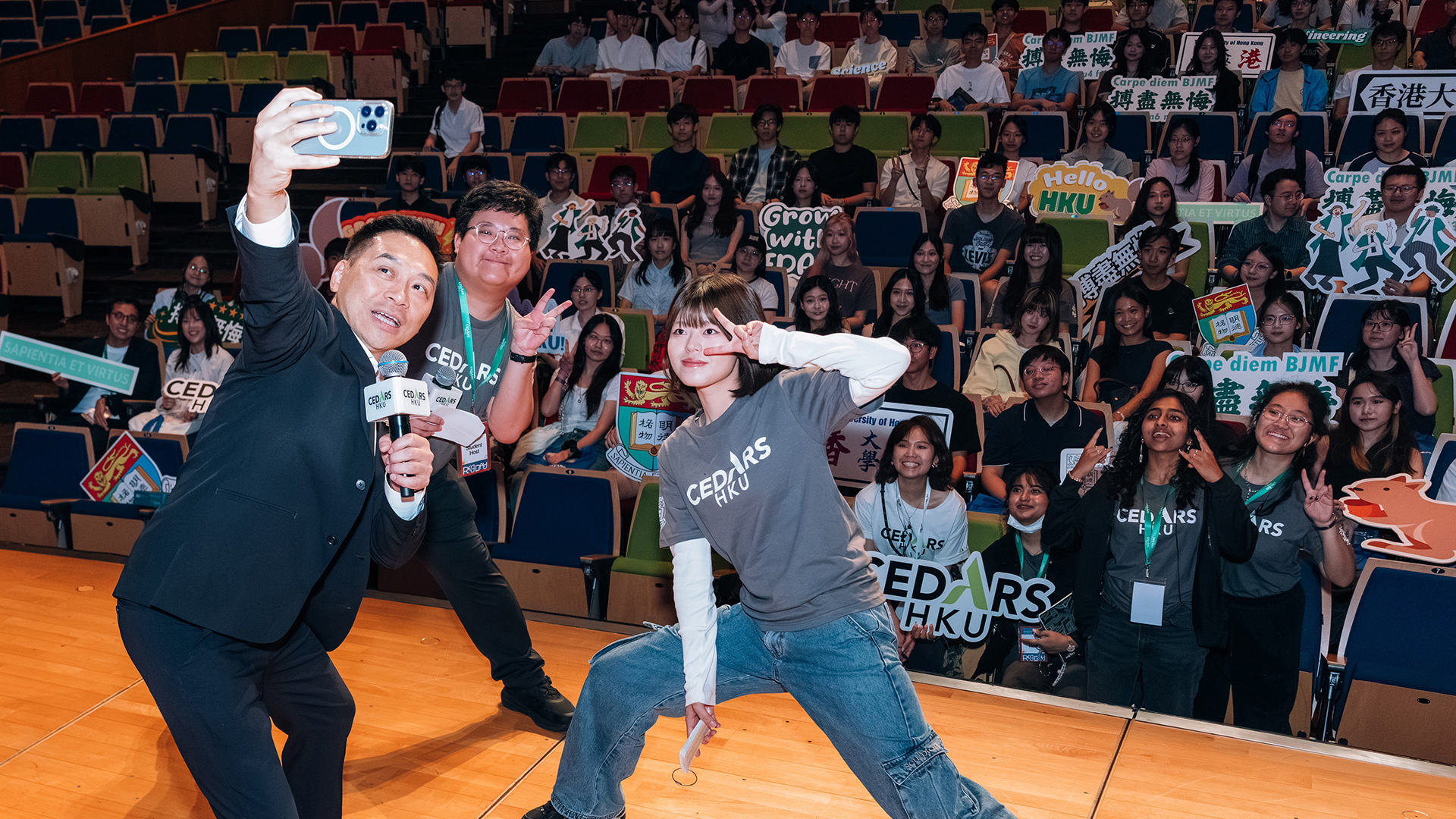
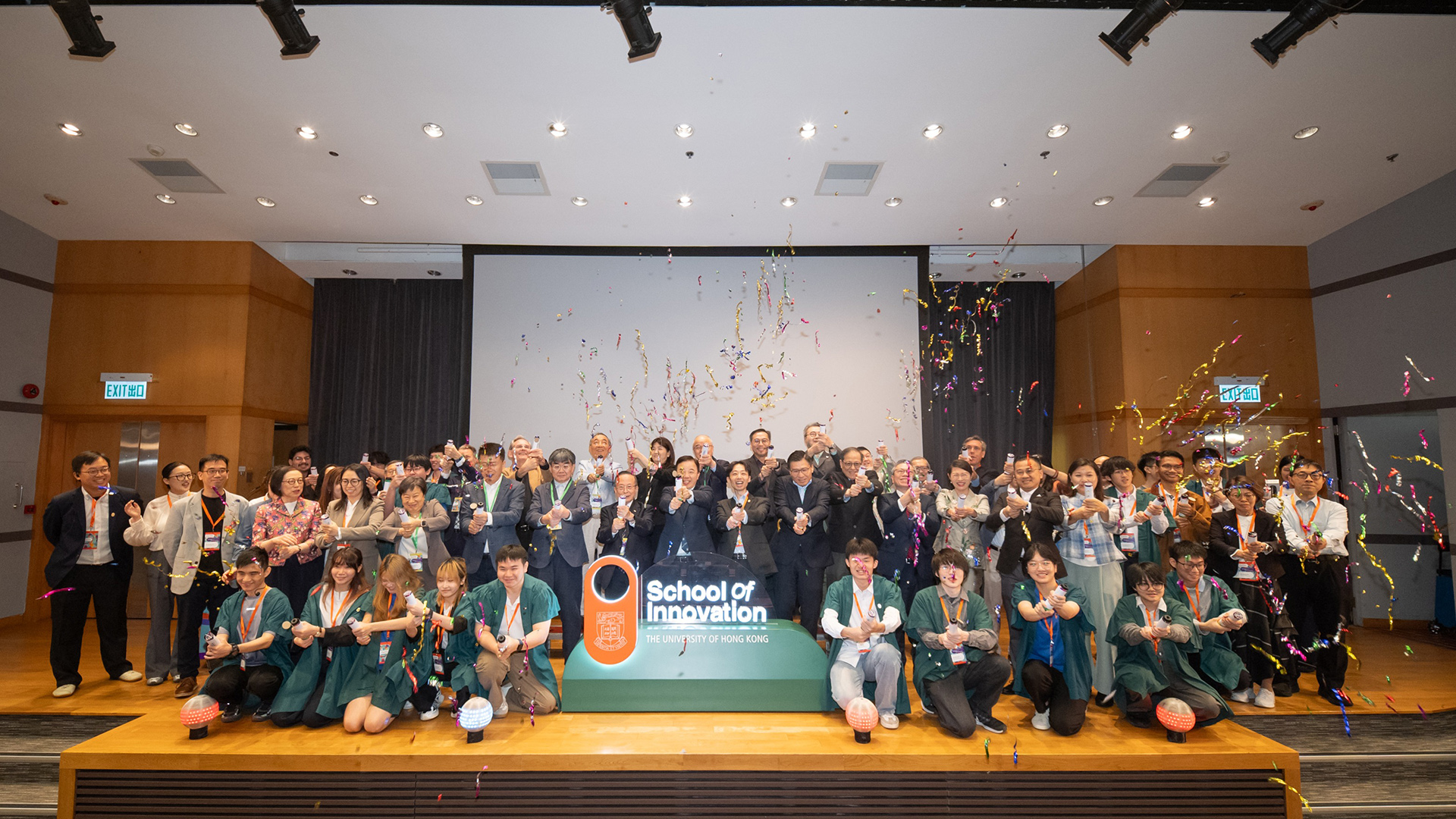
With the academic year wrapped up, the School is buoyant and upbeat about its progress and held its ‘HKU School of Innovation Inaugural Celebration: A Dialogue with Future Innovators’ on May 9. At the event, Professor Xiang Zhang, HKU President and Vice-Chancellor, reiterated the strategic role of I-School in advancing interdisciplinary learning and fostering deep collaboration between universities and industry. He remarked that in this ever-changing world, universities need to equip the next generations with interdisciplinary horizons. The I-School integrates research, education, and entrepreneurship to empower students to turn ideas into impact.
The ceremony also featured remarks from key stakeholders across Hong Kong’s innovation ecosystem, including Ms Lillian Cheong, Under Secretary for Innovation, Technology and Industry of the Government of the Hong Kong Special Administrative Region; Mr Terry Wong, Chief Executive Officer of Hong Kong Science and Technology Parks Corporation; and Professor James Tang, Secretary-General of the University Grants Committee.
The event featured two themed panel discussions. The first session, ‘Nurturing Innovation & Technology Talents for the Future’, brought together two I-School student moderators with Professor Jay Siegel, HKU Vice-President and Pro-Vice-Chancellor (Teaching and Learning); Mr Chuck Ng, Co-Founder of the Foundation for Science and AI Research; Ms Carol Yu, Founding Partner & Senior Vice President of Shenzhen InnoX Academy; and Mr Raymond Chu, Associate Director of University Collaborations and Entrepreneurship of Hong Kong Science and Technology Parks Corporation and Head of Secretariat Office of the Global University Innovation Network. The panel explored how universities, industry and the wider ecosystem can work together to attract, train and retain top innovation talent.
The second session, ‘Conversation with Future Innovators’, was co-moderated by Professor Jason Woodard, Co-Director of the I-School; and Mr Jason Chiu, HKU Council Member and Founder of Cherrypicks. During the session, six I-School students shared their journeys in entrepreneurship and cross-disciplinary collaboration, illustrating how the School’s unique curriculum empowers a new generation of innovators to tackle challenges across Hong Kong, the Greater Bay Area, and the global stage.
A highlight of the celebration was the student project showcase. The work featured demonstrated the breadth of the I-School’s problem-based approach, including computational models of Hong Kong rental prices, paper plane design, visitor flow at a theme park, the spread of cybersecurity attacks, and the spread of online ‘brain rot’ culture; a start-up idea focussed on the prevention of computer-related health issues; and a robot butler that can find a target, avoid obstacles, and respond to voice commands.
“Our students are true innovators,” Professor So observed. “Some of them have come from as far as Kazakhstan to Hong Kong to join this programme. They believe in the value of what we’re doing and in innovation for the future.”
Looking ahead, the I-School plans to expand its academic and experiential offerings, including the launch of a master’s programme in the coming year. The inaugural celebration marks a vital step in HKU’s long-term mission to reimagine innovation education for the benefit of Hong Kong and beyond.