In an era defined by rapid technological advances, artificial intelligence, and a relentless drive for speed, speed, and more speed – pausing to ask what it truly means to be human has never felt more urgent. Modern life often pushes society toward constant progress, chasing the next milestone or performance metric while leaving little room for quiet contemplation. Amid this rush, the idea of a crossroads – a meeting point where unexpected disciplines, diverse communities, and fresh perspectives intersect – offers a vital space to slow down, reflect, and reconnect with our shared humanity.
This November, the University of Hong Kong helped bring this vison to life in Hong Kong with the launch of Asia’s inaugural Being Human Festival. Originally founded in the United Kingdom in 2014 by the School of Advanced Study at the University of London, the festival, held annually across the United Kingdom, the United States, and Australia, has grown into a celebrated international showcase of humanities research. Now, through a pioneering initiative led by HKU’s Faculty of Arts (HKUArts), Hong Kong has joined this global partnership to showcase humanities research through public engagement. Partnering with the School of Advanced Study at the University of London, the University of Melbourne and the National Humanities Center in North Carolina, HKUArts researchers have teamed up with creative arts and cultural communities to present projects beyond the campus, inviting the public to experience how arts, history, and culture illuminate everyday life.
At the heart of the Hong Kong edition was the Being Human Festival 2026 theme, ‘Crossroads’, a concept that reflected both the city’s historic identity as a meeting place of East and West and the festival’s mission to spark dialogue across boundaries and disciplines. For Professor Yeewan Koon, Chair of the HKU Department of Art History, Associate Dean (Global) of the Faculty of Arts, and a driving force behind bringing the festival to the city, the initiative was rooted in breaking down institutional barriers and demonstrating the living value of the humanities.
Noting the remarkable success the Being Human festival enjoyed over the past decade, Professor Koon explains why bringing the festival to Hong Kong matters today. “The main reason was to try to connect researchers in the humanities. We wanted to show people what humanities can do within the community itself,” she says. “So it’s a very community-driven thing, but we wanted also just to showcase what is actually happening within the walls of the University, breaking down those walls, and connecting with people.”
HKU’s programme for the festival transformed neighbourhoods across the city into open forums for curiosity and exchange. Unfolding through an array of interactive projects, workshops, performances, and exhibitions over 11 days, the festival encouraged residents to step outside their daily routines and participate directly in humanities-led discovery.
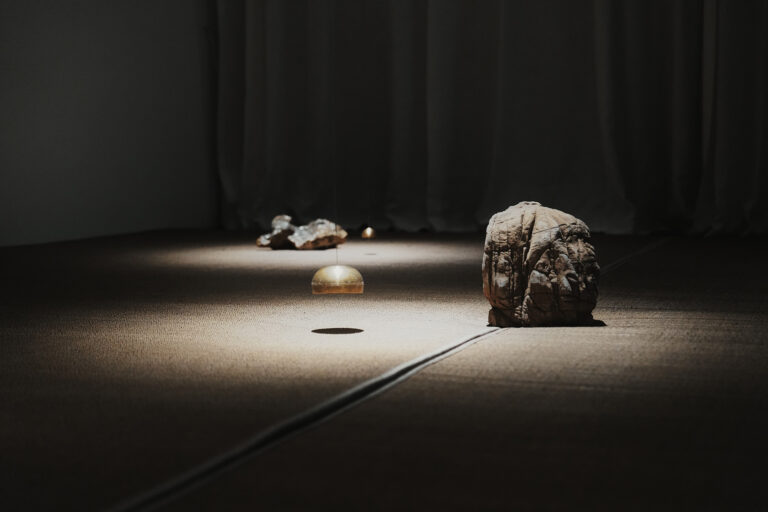
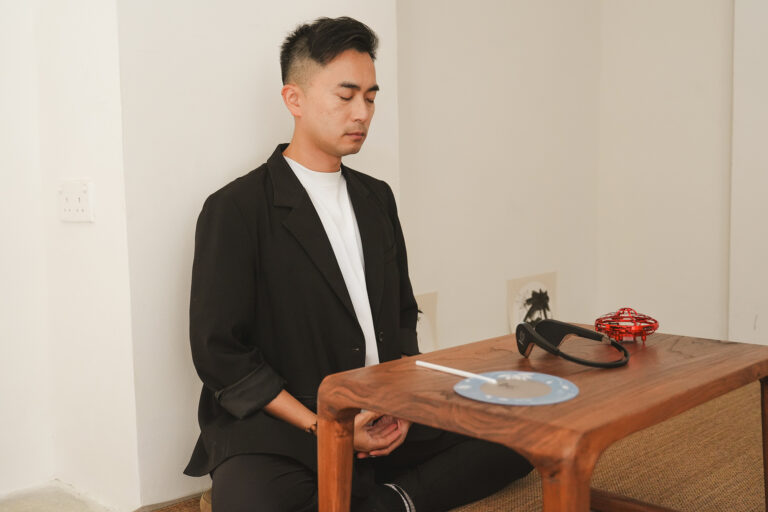
One of the festival’s signature collaborations exemplified this spirit of unexpected connection by bridging contemporary media art with contemplative science. The installation ‘Resonant Reveries’ by established Hong Kong media artist Chris Cheung was an experience made for the festival that translated brainwave patterns and meditative states into kinetic pendulum movements and sensory experiences. Recognising a natural resonance between Cheung’s artistic exploration of consciousness and the academic research conducted by the HKU Centre of Buddhist Studies, Professor Koon found an opportunity for meaningful dialogue.
“When I saw his work and how he was connecting the idea of brainwave patterns and thinking about meditation, I thought about how much that really connected with a lot of research that’s being done by the Buddhist counselling service,” she says. “They use it for research, but also in practice in their counselling sessions as well. So I wanted to bring these people together.”
That synergy can also be seen in ‘Mindful Connections: The Science of Buddhism & Mental Health Wellbeing’, another festival project led by Dr George Lee Kin-cheung, Senior Lecturer at HKU’s Centre of Buddhist Studies. Through tea meditation, somatic grounding, chanting, and even an interactive exercise where participants levitate a drone using an EEG [Electroencephalography] headband that reads their brainwaves, the programme invited visitors to observe the power of their own mental stillness in real time. “The drones were a way to demonstrate with actual objects the power of the mind and of meditation,” Dr Lee explains.
“There’s a kind of synergy between thinking about science and our internal world. Often when we think about science and the age of AI, so much is about progress, the next KPI, and the next thing that we have to achieve,” Professor Koon says. “Part of this festival was really about pausing and stopping, and then allowing a moment where you can self-reflect. That needs to be a big part of what being human is about – that moment of self-reflection, and a moment of pause as well.”
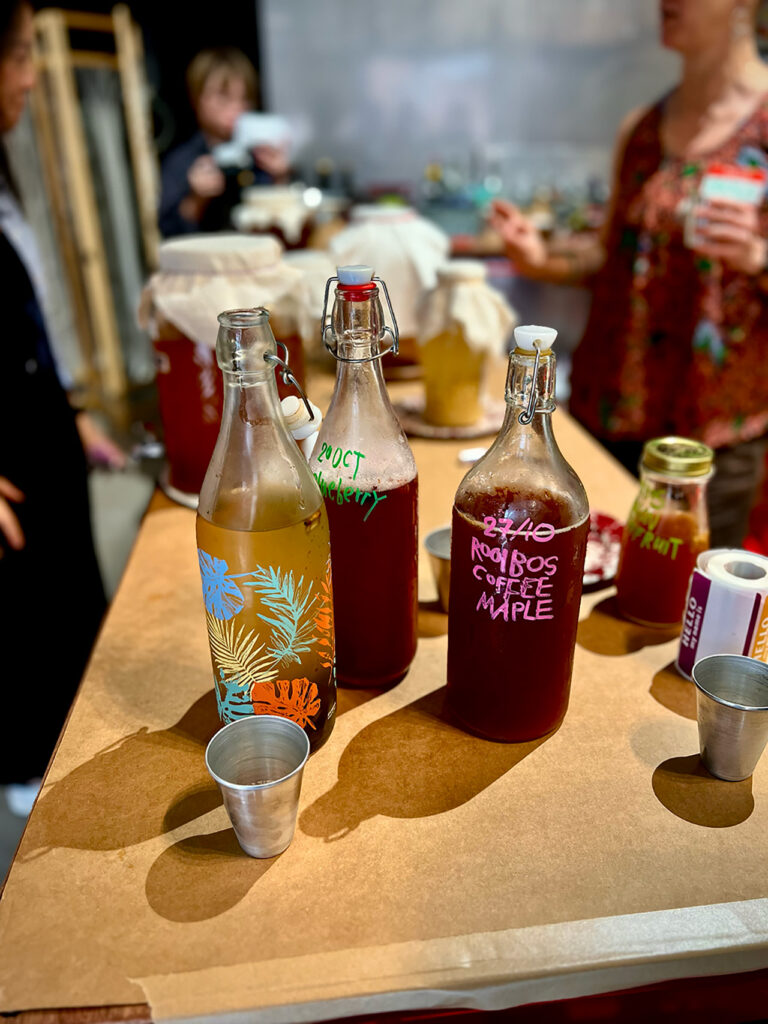
Across the wider festival line-up, HKU departments and local partners invited audiences to engage with everyday culture and craft traditions from fresh perspectives. In the ‘Being Human FiZZ Hub’ – with events held in both Hong Kong and in Guangzhou – HKU students, alumni, and local cultural practitioners explored fermentation as both a culinary science and a metaphor for cultural transformation. Meanwhile, on the outlying island of Peng Chau, artist Mark Chung led ‘Sculpting Care: Materiality and Memory in Contemporary Art’, inviting participants into fruit-cutting workshops that explored how everyday rituals could be turned into an expression of care and memory.
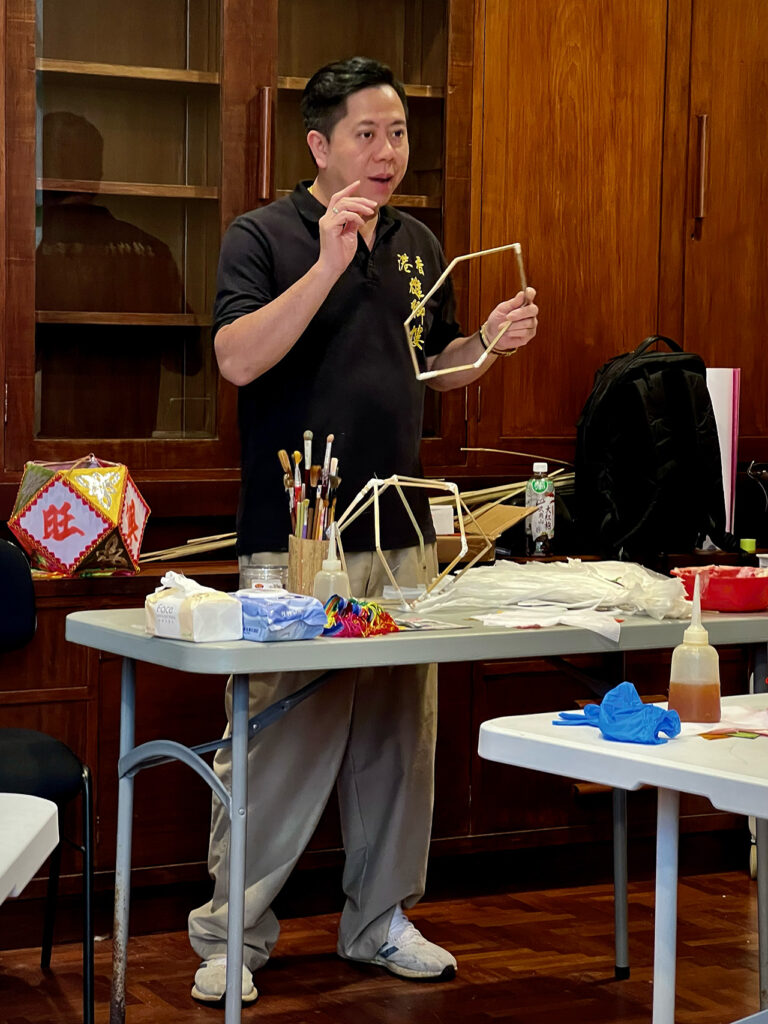
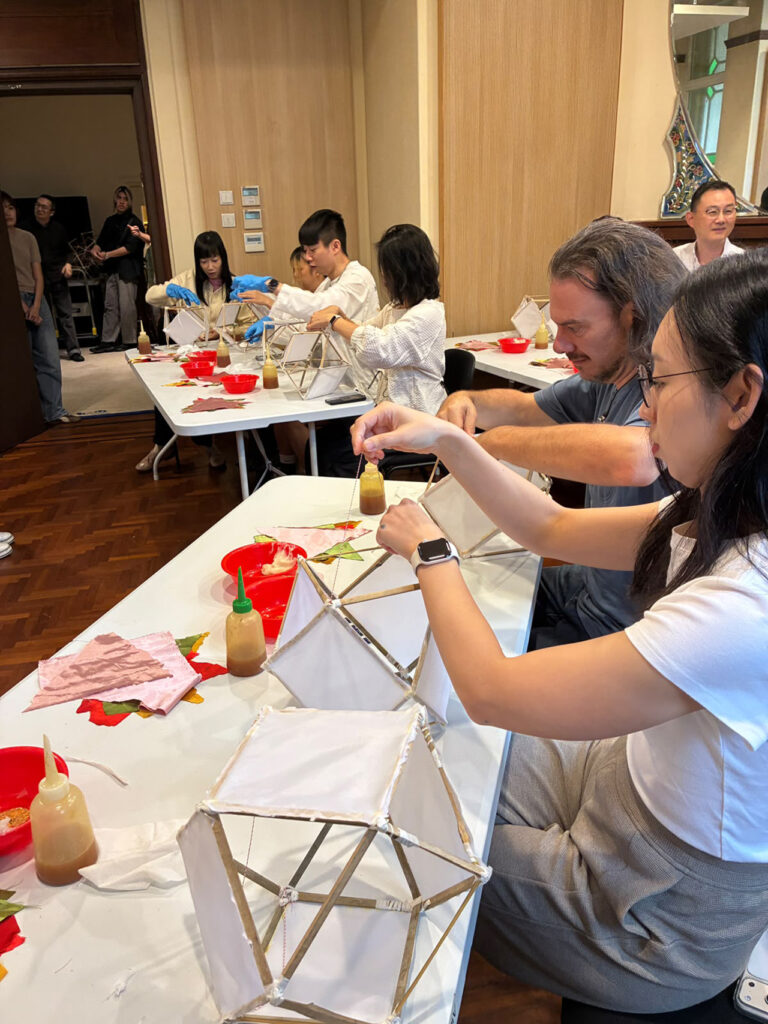
Traditional craftsmanship and tactile memory took centre stage in ‘Tying Hong Kong to the World: Dragons, Lions, Lantern and a Craft that Unifies the Chinese World’, where veteran craftsmen guided participants in the intricate art of traditional lantern making. One of the workshops was held in the historic Villa Haw Par on Tai Hang Road, the only remaining structure of the storied Tiger Balm Gardens and now a listed Grade 1 historic building. “We learnt that lantern making is one of the traditional Chinese ‘ligation arts’ that has found its way around the world,” said Mr Au, one of the workshop participants. “How appropriate is it to be learning about this craft in a place like this? It reminds us how those connections can be translated and reaffirmed through time, space, cultures, and crafts into a physical sculpture of one’s own.”
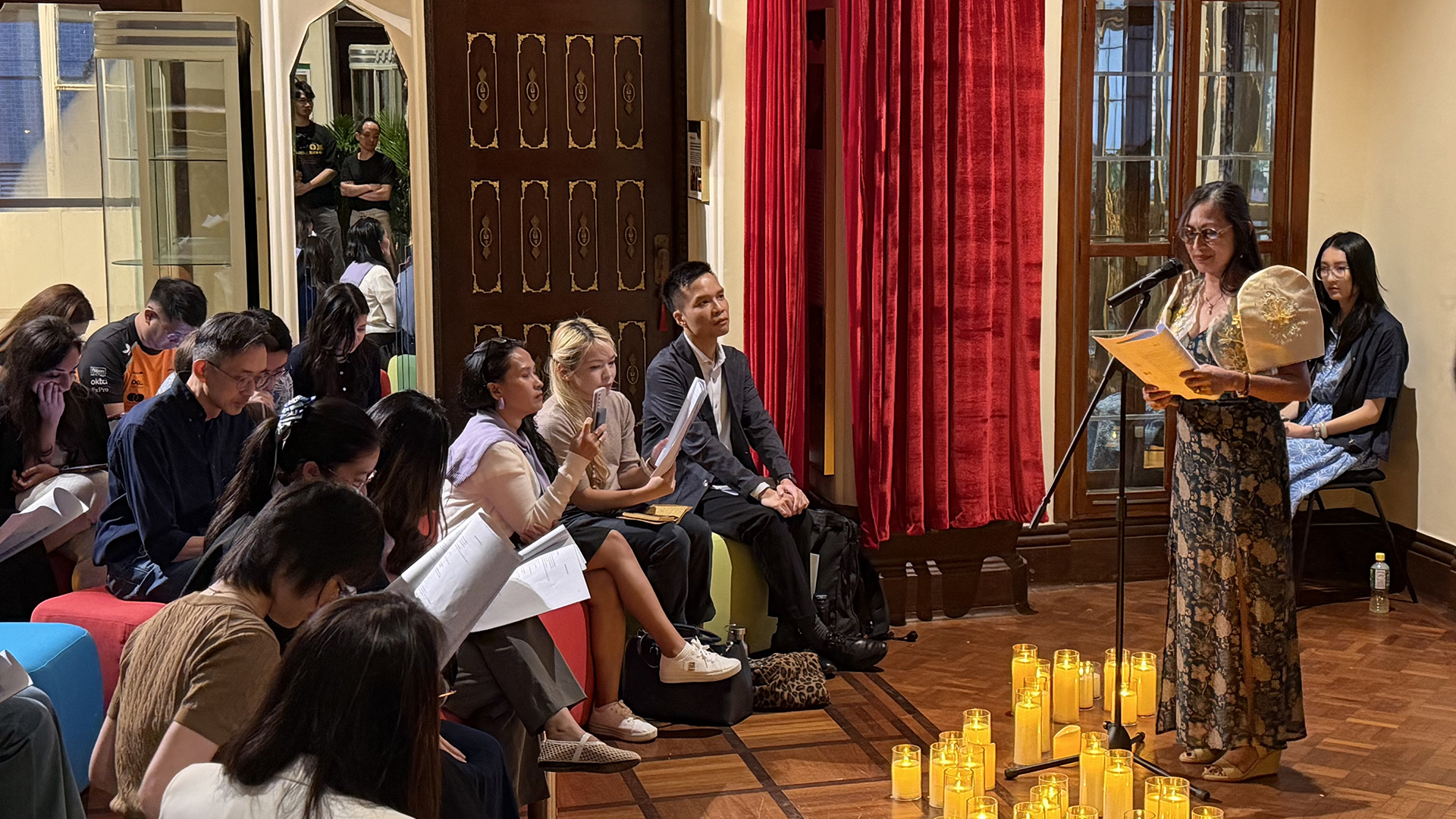
Storytelling and personal heritage found intimate expression in ‘Our Families: Myths, Truths, and Futures’, a hands-on zine-making workshop developed with HKU’s Department of History that encouraged participants to piece together family narratives and unspoken histories. Literary voices also came alive through ‘Writing and Performing Poetry: Crossroads in Hong Kong’, which paired a collaborative writing and performance workshop with an evocative spoken-word evening showcasing poetry written by young local women – the festival’s closing event at Villa Haw Par, led by Dr Antony Huen, Senior Lecturer and Director of the Master of Fine Arts in Creative Writing in the HKU School of English. “The workshops are a way of building a community, by gathering people with similar and diverse voices, and from different backgrounds as well,” he says.
By uniting artists, historians, linguists, Buddhist counsellors, craftsmen, and curious residents across these diverse encounters, the HKU organisers aimed to spark conversations and connections that will linger well beyond the festival’s closing days. “Bringing unlikely people together, that really captures this festival’s theme of crossroads,” Professor Koon says.
Ultimately, the inaugural Being Human Festival in Hong Kong served as both a celebration of scholarly creativity and an invitation to collective reflection. As technology continues to reshape how people work, communicate, and perceive reality, HKU’s initiative reminds the community that human insight, empathy, and imagination remain irreplaceable. As Professor Koon puts it, the central challenge of our time is clear: “What can we do in this age of science and technology, and how can we restore something of the ‘humanness’ in society as well? If science and technology explained how the world is made, I think humanities is about how we live in the world.” Hong Kong’s first Being Human Festival offered inspiring answers through art and culture, shared discovery and human connections.