Liver cancer is notorious for its late-stage diagnosis, often leaving patients with limited options when surgery is no longer viable. Current treatments, ranging from targeted therapies to immunotherapy, frequently fall short, offering only temporary relief. For patients with advanced liver cancer, especially those with metabolic dysfunction-associated steatotic liver disease (MASLD), a condition linked to high-fat diets, treatment options are often limited. In a remarkable twist of fate, a common cholesterol-lowering medication is stepping into the spotlight as a potential game-changer in the fight against one of the deadliest forms of cancer.
HKUMed researchers have recently made a significant discovery: atorvastatin, a drug taken by millions to manage high cholesterol, may hold the key to targeting liver cancer cells, with the findings published on the Journal of Hepatology. The team demonstrated for the first time that atorvastatin can directly attack liver cancer cells by blocking the ‘mevalonate pathway’, a metabolic route crucial for cancer cell survival. This pathway is especially active in liver cancers associated with fatty liver disease, making this discovery highly relevant to this growing patient population.
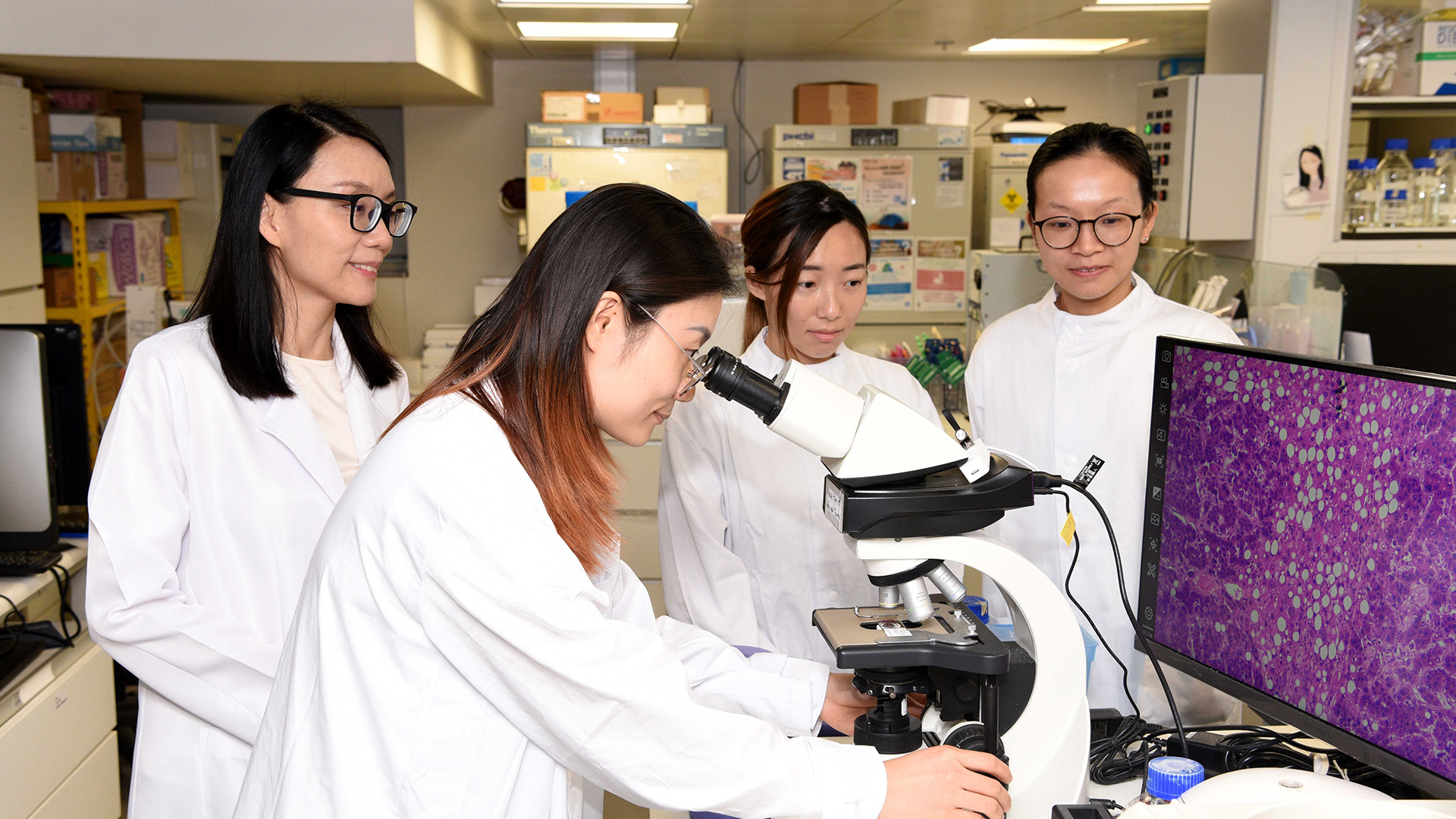
“Liver cancer cells are adept at surviving by using various escape routes,” explained Professor Carmen Wong Chak-Lui from the Department of Pathology at the School of Clinical Medicine, HKUMed, who led the study. “We found that these tumour cells rely on the mevalonate pathway to shield themselves from programmed cell death. By blocking this pathway with atorvastatin, we can effectively remove one of their key defences.”
In a groundbreaking discovery, the research team revealed that combining atorvastatin with existing liver cancer treatments – such as the targeted therapy lenvatinib or immunotherapy drugs (anti-PD-1) – significantly enhances their effectiveness, even in cases of MASLD-associated hepatocellular carcinoma. Laboratory models demonstrated that atorvastatin alone reduced tumour growth by 33%. When combined with anti-PD-1 therapy, atorvastatin decreased tumour weight by nearly half (45%), while its combination with lenvatinib resulted in an even more substantial 58% reduction.
“Since atorvastatin is already widely used and well-tolerated, our study reveals the novel therapeutic potential for atorvastatin, repositioning it beyond its conventional role in cardiovascular health. It also offers a practical and accessible new way to strengthen current treatments and potentially improve survival outcomes for those with advanced liver cancer,” Professor Wong added.
The research team is now setting its sights on clinical trials, eager to validate these promising results in real-world settings and ultimately offer new hope to patients battling one of the most challenging cancers. By repurposing a familiar and affordable medication in a groundbreaking way, HKUMed’s findings could pave the way for improved survival outcomes and a brighter future for liver cancer patients.