In many societies, including Hong Kong, our emotional reactions to death and bereavement are often taboo subjects that few want to discuss. But facing such grief is an inevitable rite of passage for every medical doctor in-the-making.
Anticipatory grief – the emotional upheaval triggered by the realisation of impending, irrevocable death – could be particularly daunting to families of dying patients. Young medical students, too, face a complex conundrum: experiencing patient death may evoke intense emotions and stir up personal memories of loss. If left unaddressed, these emotional impacts can elevate risk of professional burnout and negatively impact future career choices.
How then, can we further train students early in the pre-clinical medical curriculum, on the complexities of grief in family members and in healthcare practitioners when it comes to caring for dying patients and experiencing patient death?
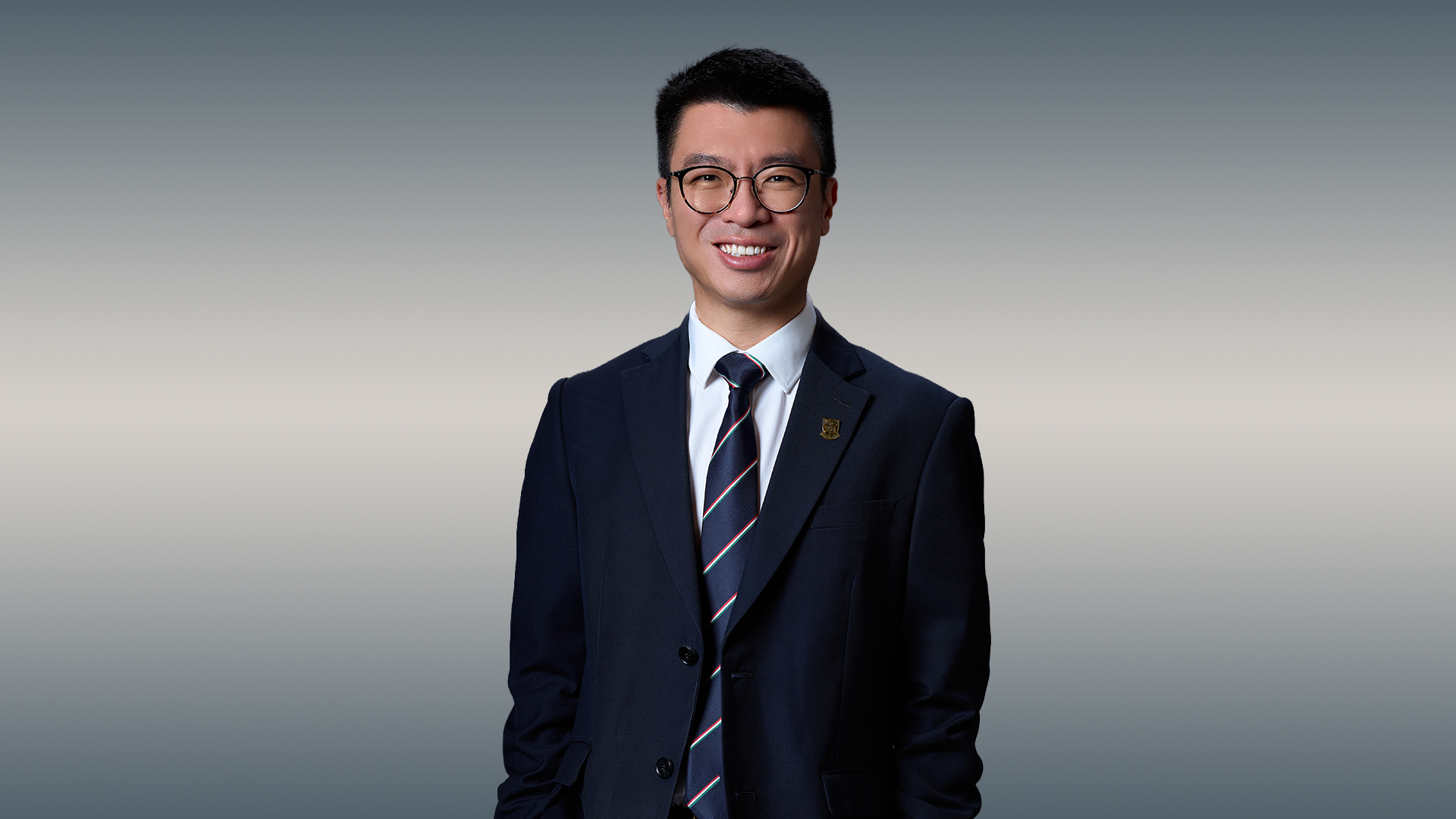
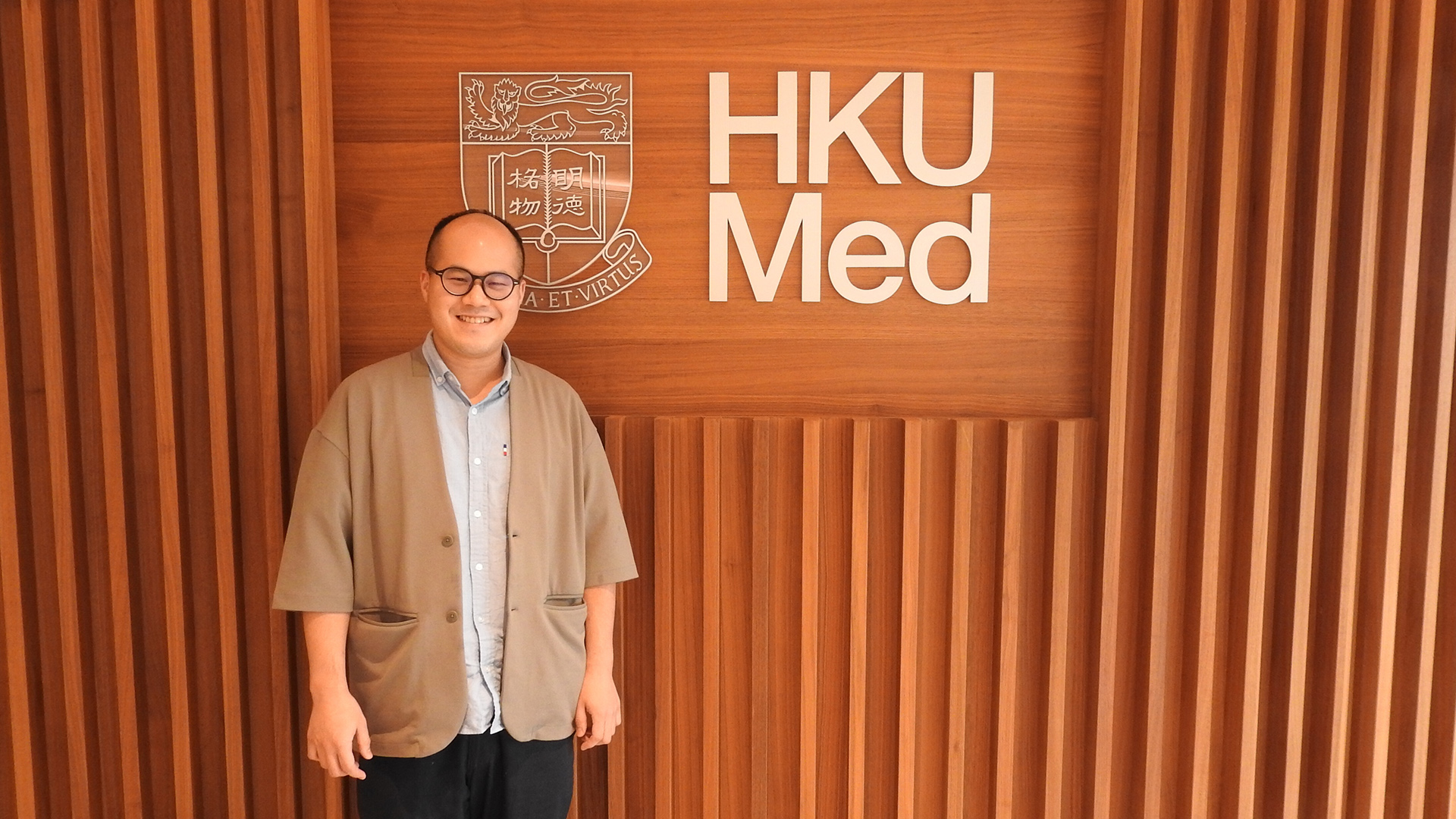
For Mr Samson Wong Ki-sum, Assistant Lecturer in the Medical Ethics and Humanities Unit of the School of Clinical Medicine at HKUMed, the inspiration for his medical humanities class came from a bittersweet image shared by a student.
“A medical student once shared with me a photo of him and his late grandmother, who was battling cancer at the time,” Mr Wong recalled. “It captured a poignant intersection of his personal and professional life. Donning his white coat, the student had coincidentally been assigned to the unit where his grandma was staying. The image encapsulated a grandparent’s pride at seeing her grandson as a doctor-in-training, yet one could also sense the young man’s underlying sorrow. His grief has since been transformed into a powerful motivation and career aspiration to master humanistic care.”
Mr Wong added, “That image served as a reminder to me. A doctor’s role entails exposure to death and dying. It is inevitable that these moments will sometimes touch a nerve, stirring up personal memories of bereavement. In turn, these memories influence how their values and professional attitudes toward aging, sickness, and death are forged. This path is a continuous loop. As an educator, I began to envisage: what could be done in a future medical humanities curriculum to guide this cycle toward better wellbeing for our students?”
To help pre-clinical medical students understand how anticipatory grief affects both family members and healthcare professionals caring for dying patients, Mr Wong chose to engage students with a medium that younger persons are familiar with: video games.
In his teaching, Mr Wong adopts an immersive video game, ‘That Dragon, Cancer’. This game was created by a set of bereaved parents re-telling the journey of losing their five-year-old son to a rare and aggressive form of brain cancer.
Since 2022, Mr Wong has incorporated this immersive experience into his medical humanities classes for second-year Bachelor of Medicine and Bachelor of Surgery (MBBS) students, prompting learners to step into the shoes of those caring for dying patients.
This teaching endeavour brought Mr Wong and the University global acclaim and recognition. In April 2025, Mr Wong was named the inaugural ‘Most Innovative Teacher of the Year’ in Asia by Times Higher Education (THE).
Last December, his project also won a Gold Award in the ‘Nurturing Wellbeing and Purpose’ category at the QS (Quacquarelli Symonds) Reimagine Education Awards 2025, often referred to as the ‘Oscars of Education’. It was the only Hong Kong-based entry to receive a Gold-level Award that year. The Gold Award in the ‘Nurturing Wellbeing and Purpose’ category is presented annually to one top initiative that enhances resilience, well-being, purpose and holistic growth for learners.
As a founding member of the core teaching team for HKUMed’s medical humanities curriculum, Mr Wong has dedicated his efforts to supporting the holistic growth of medical students into caring physicians since 2014. He remarked: “I am deeply grateful to both QS and THE for their respective recognition. I would also like to take this opportunity to express my gratitude to several mentors who once advised on my early-career teaching development – the late Professor Chan Li-chong, and Professor Harry Wu Yi-Jui – two former Directors of the HKUMed Medical Ethics and Humanities Unit; and Professor Julie Yun Chen, the Unit’s current Director.”